Event report
Conference | “Smart Buildings and Sustainable Resources Management”
Smart Buildings and Sustainable Resources Management": French and Qatari Approaches to [SCP1.1]a Smarter, More Water-Resilient Future for Doha's Built Environment
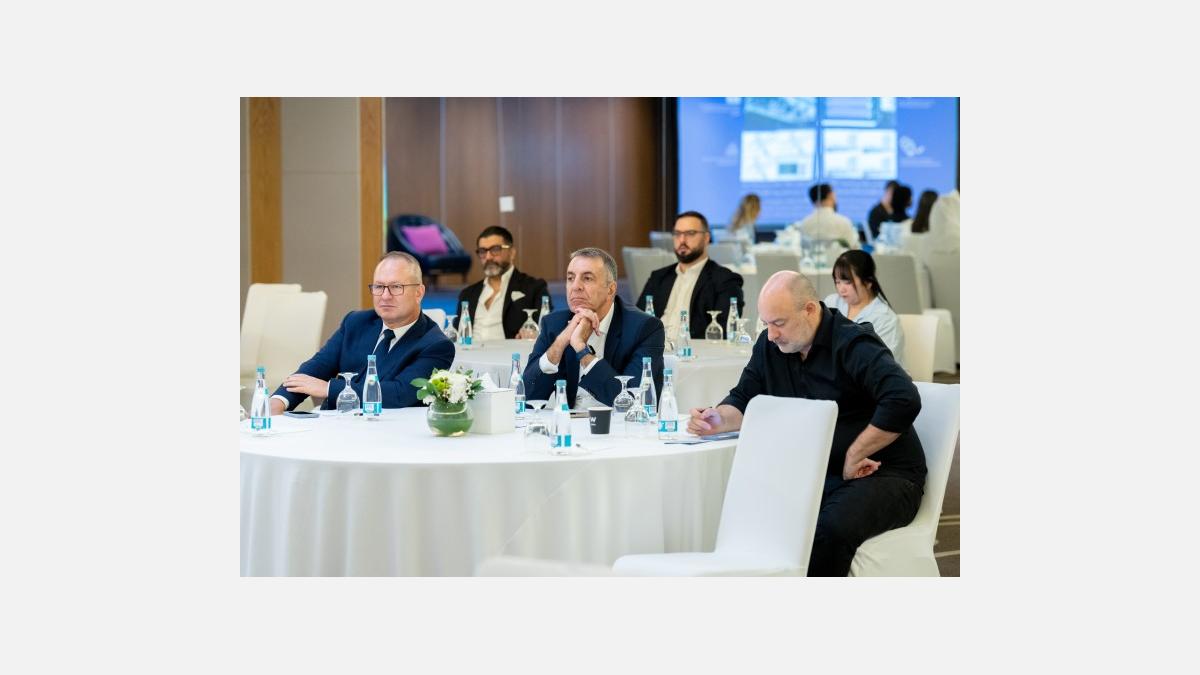
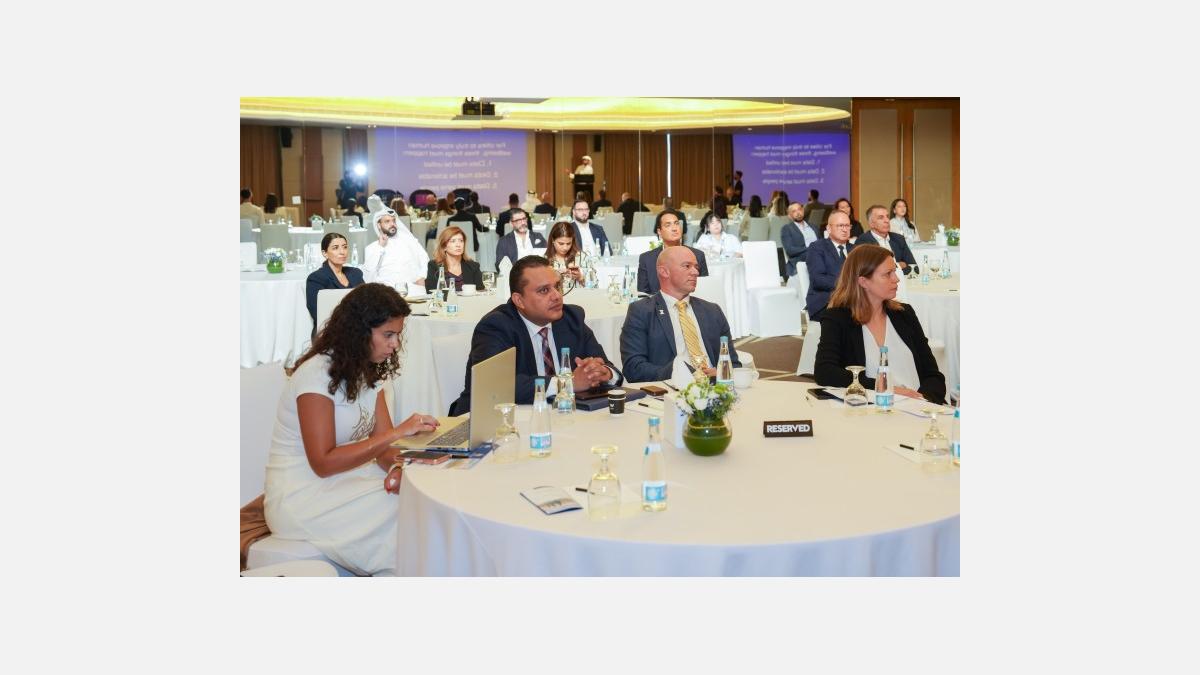
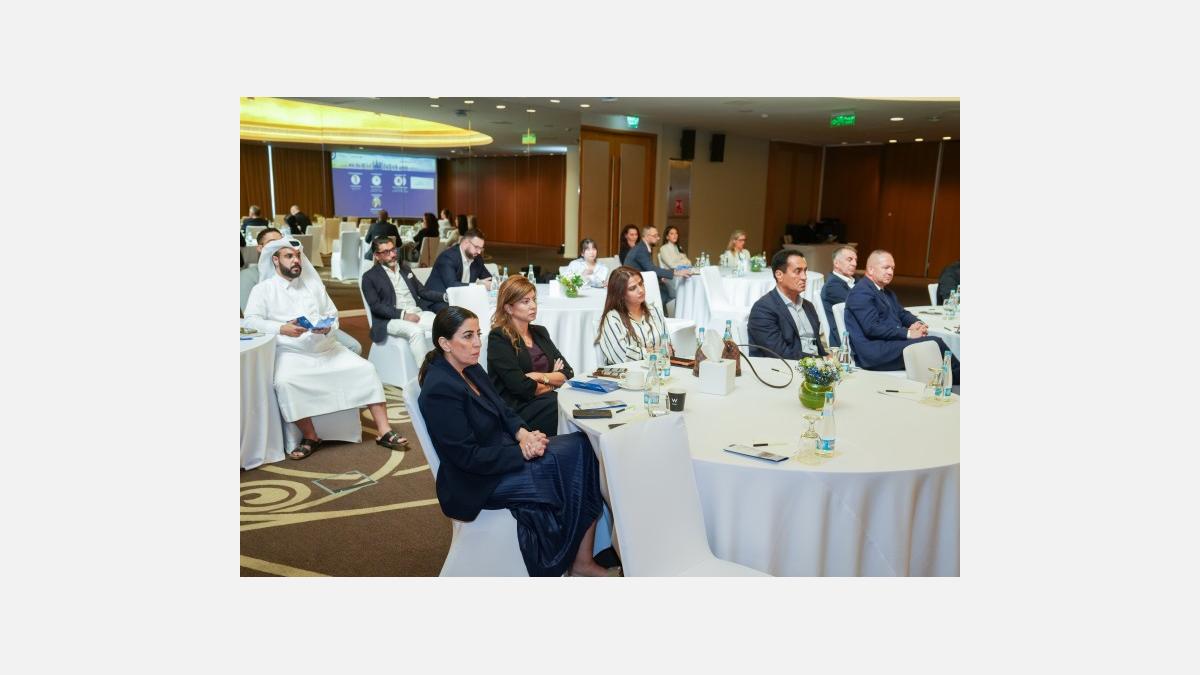
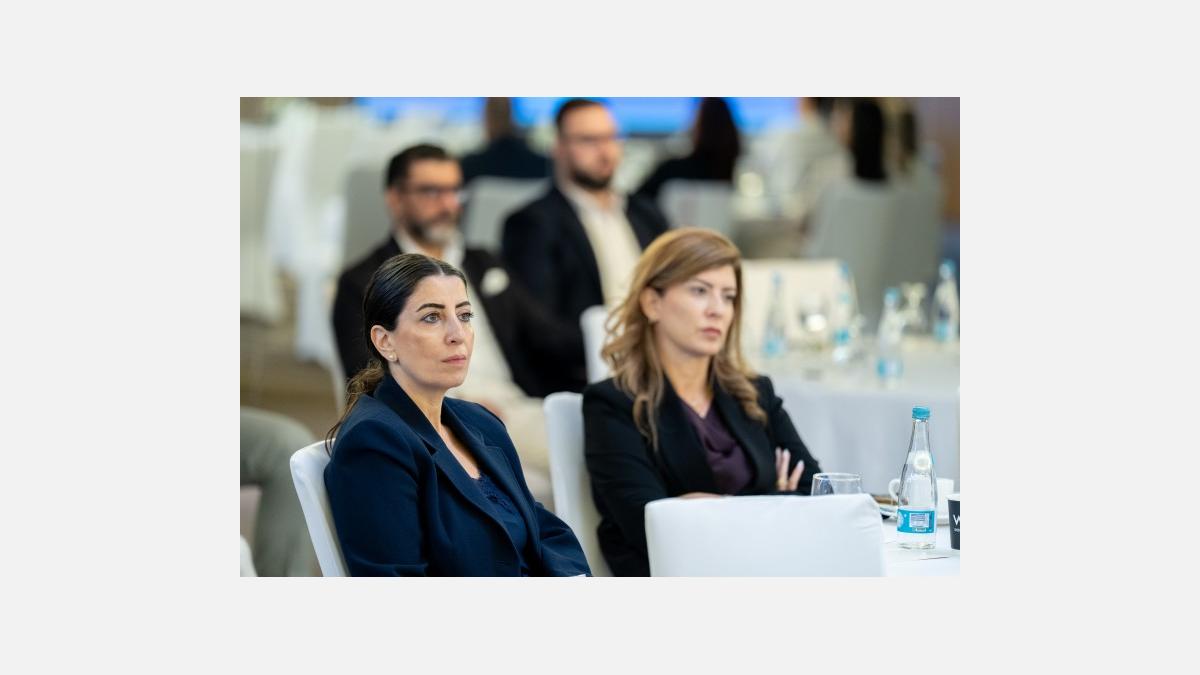
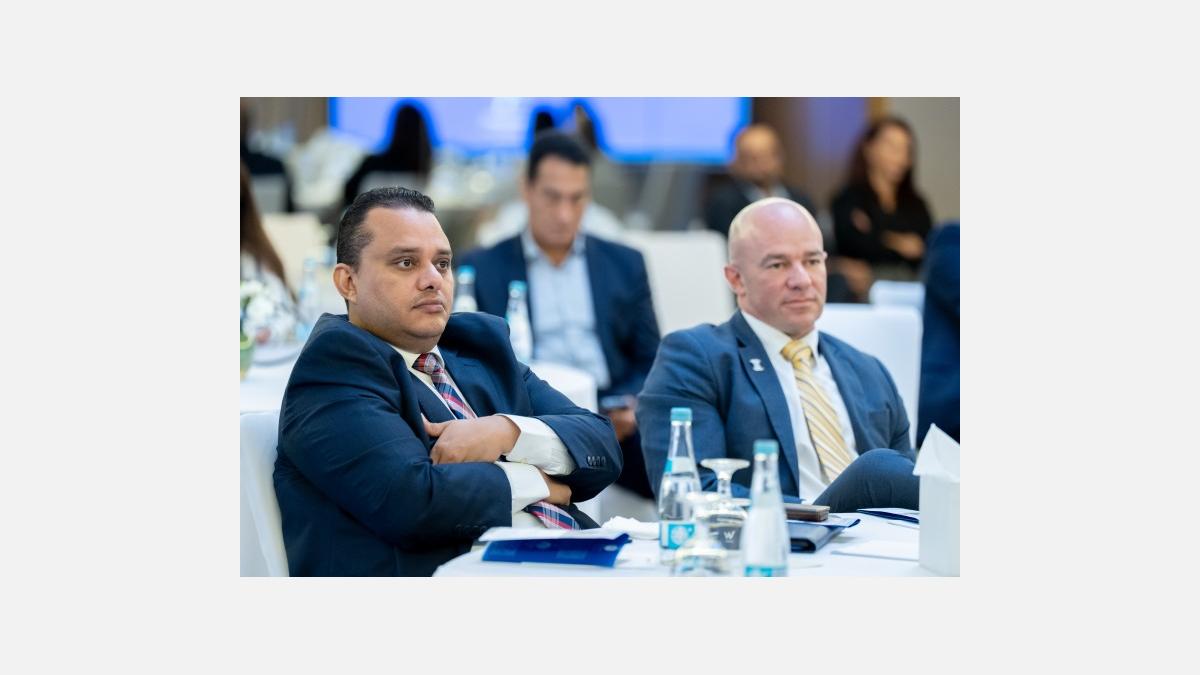
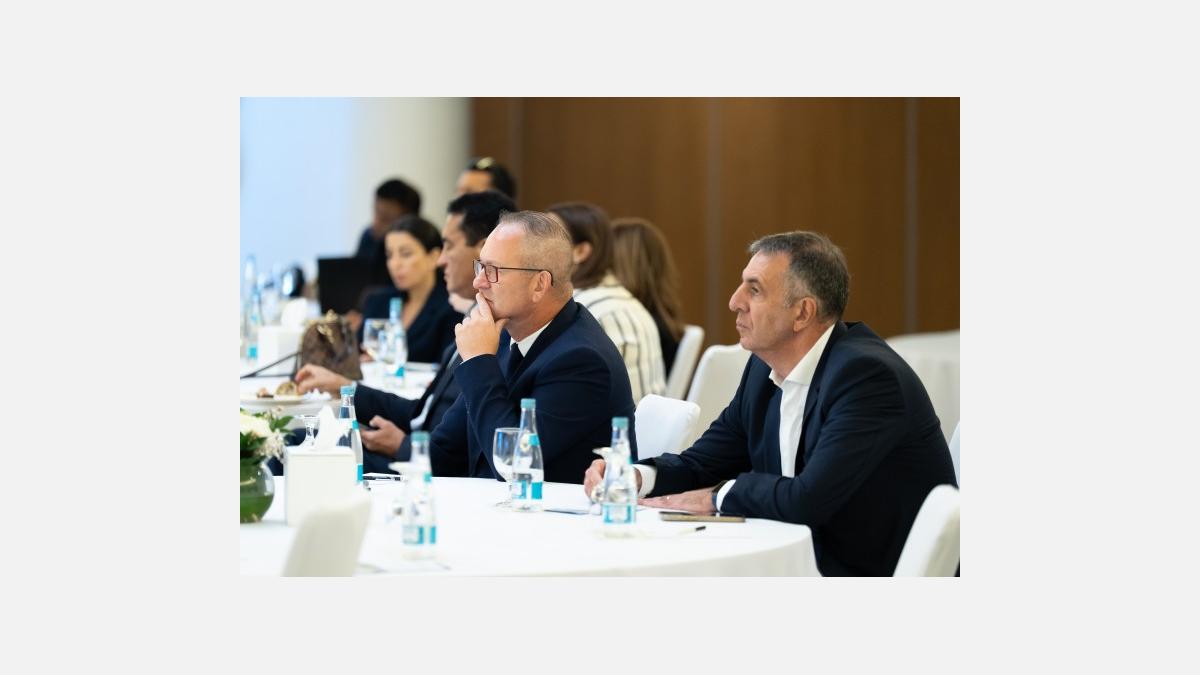
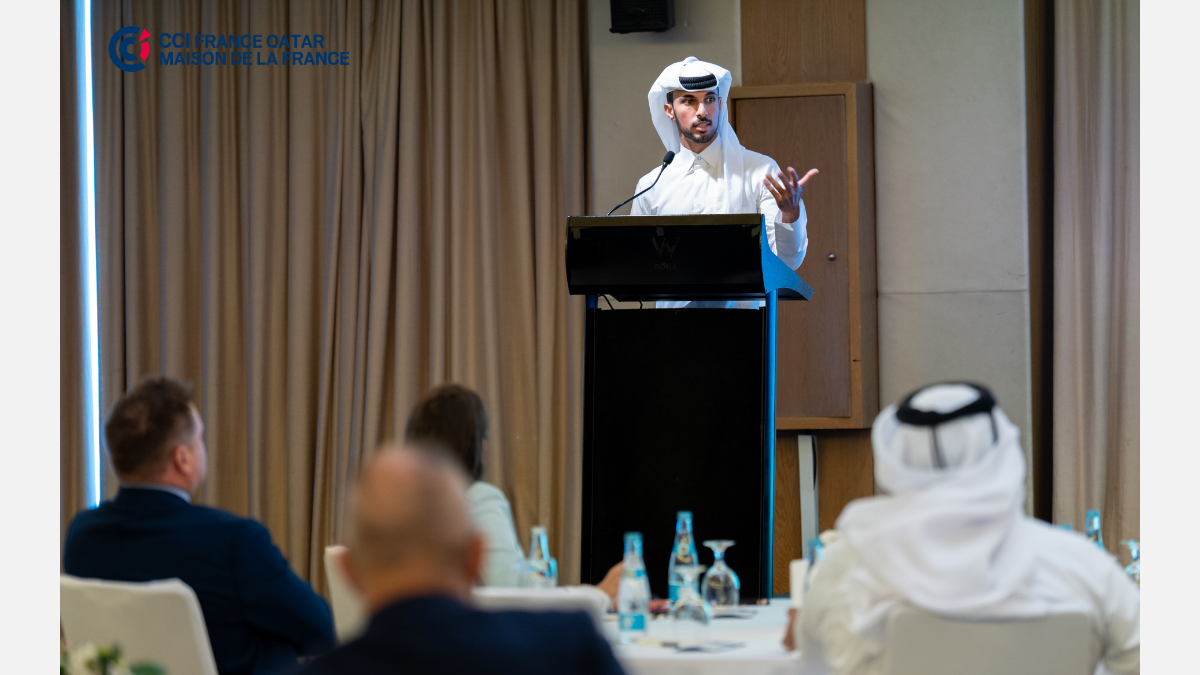
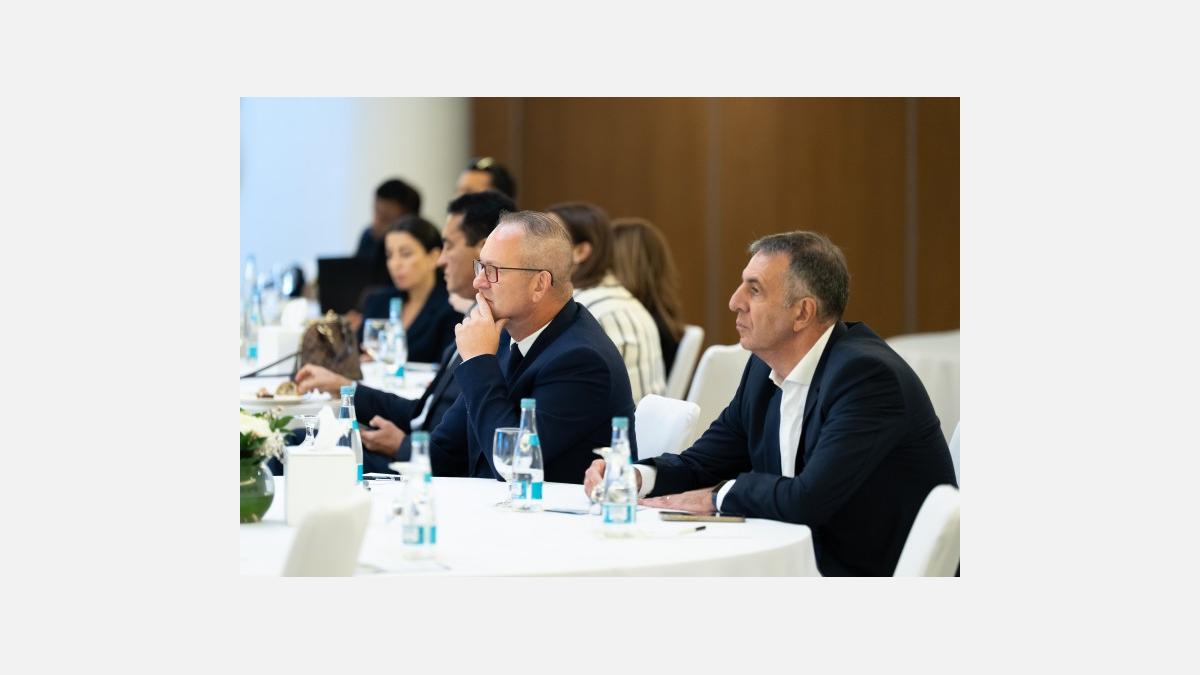
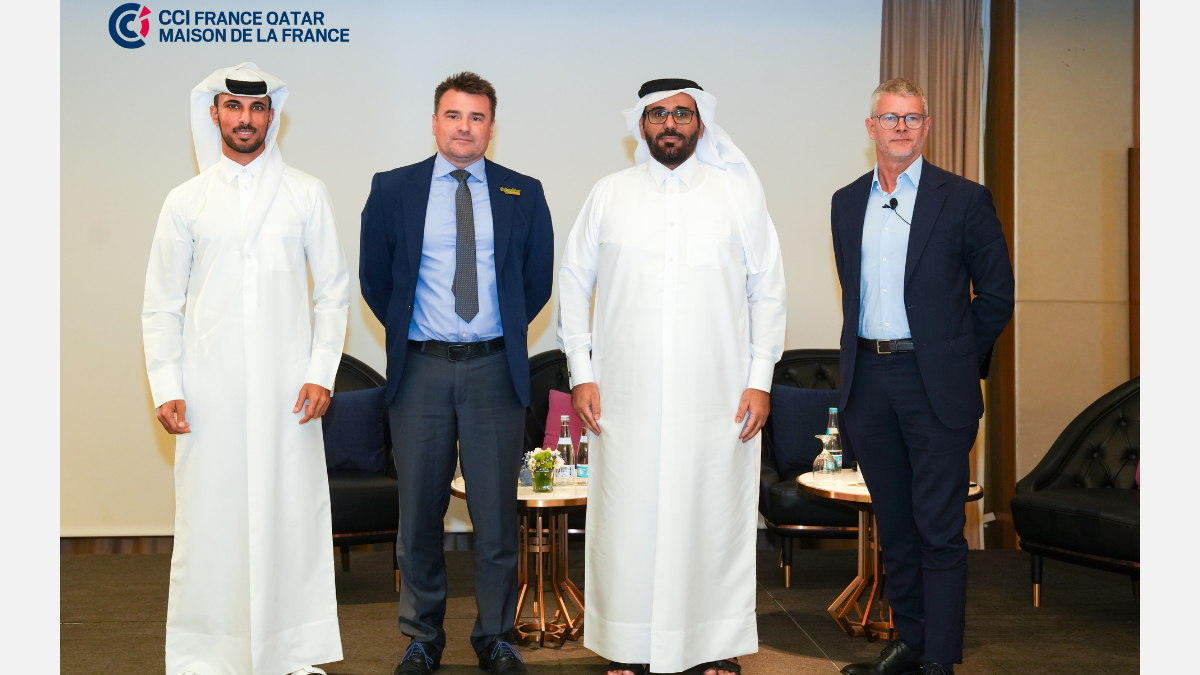
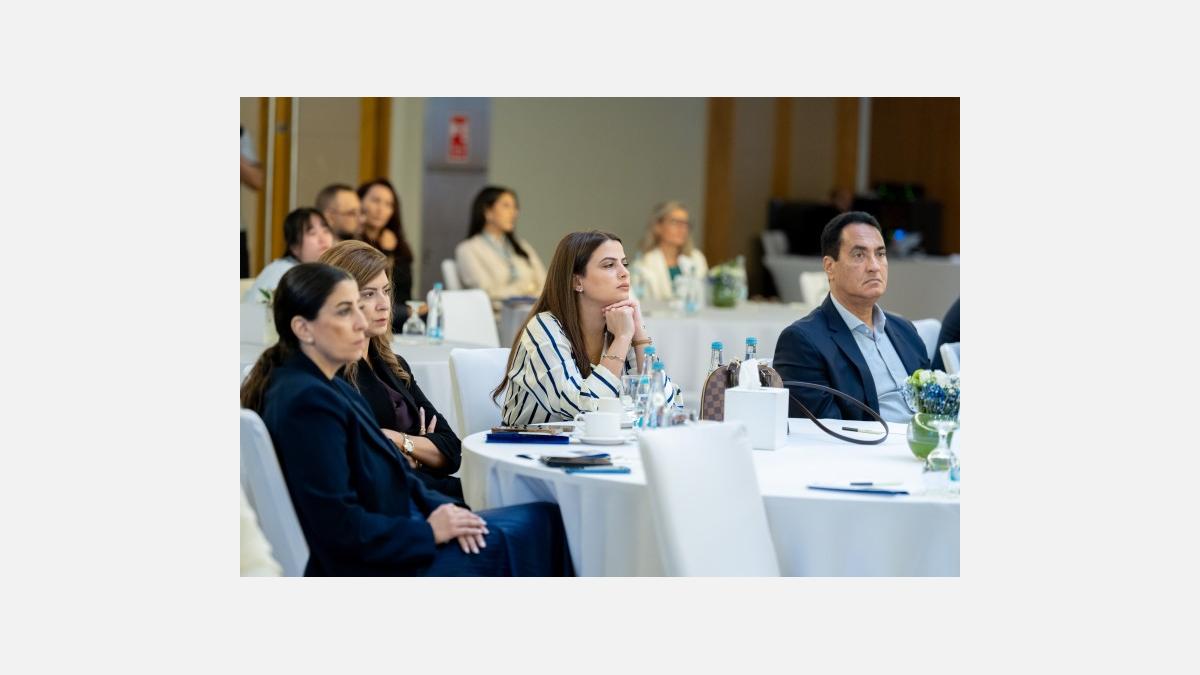
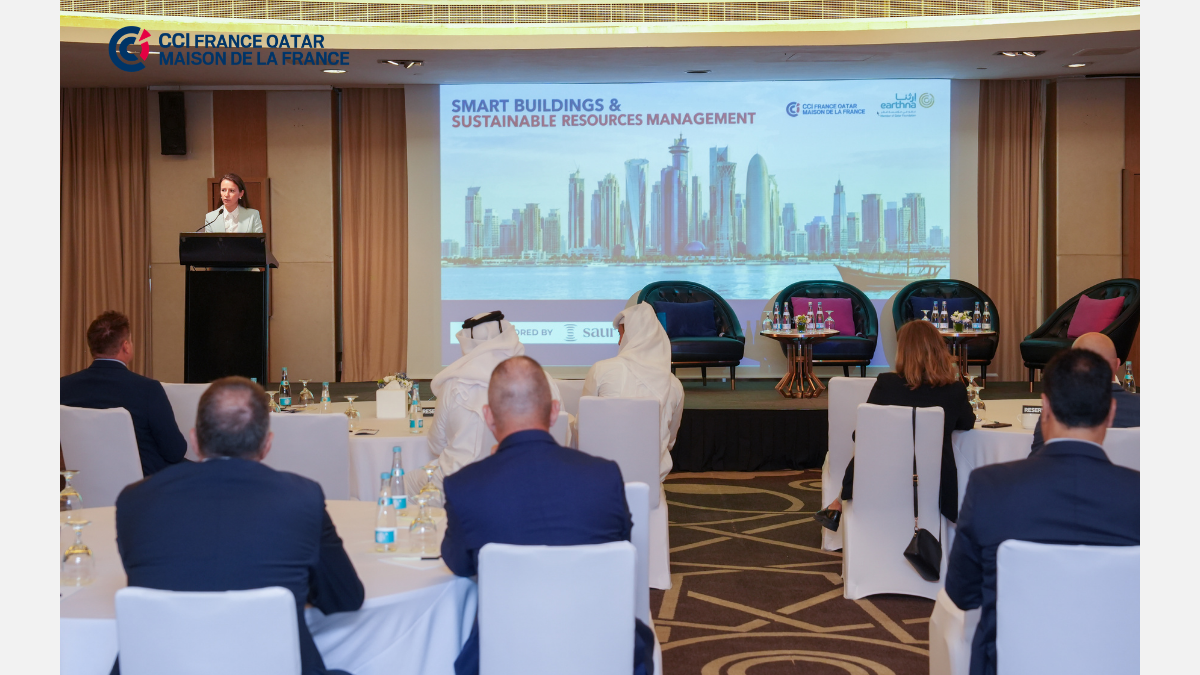
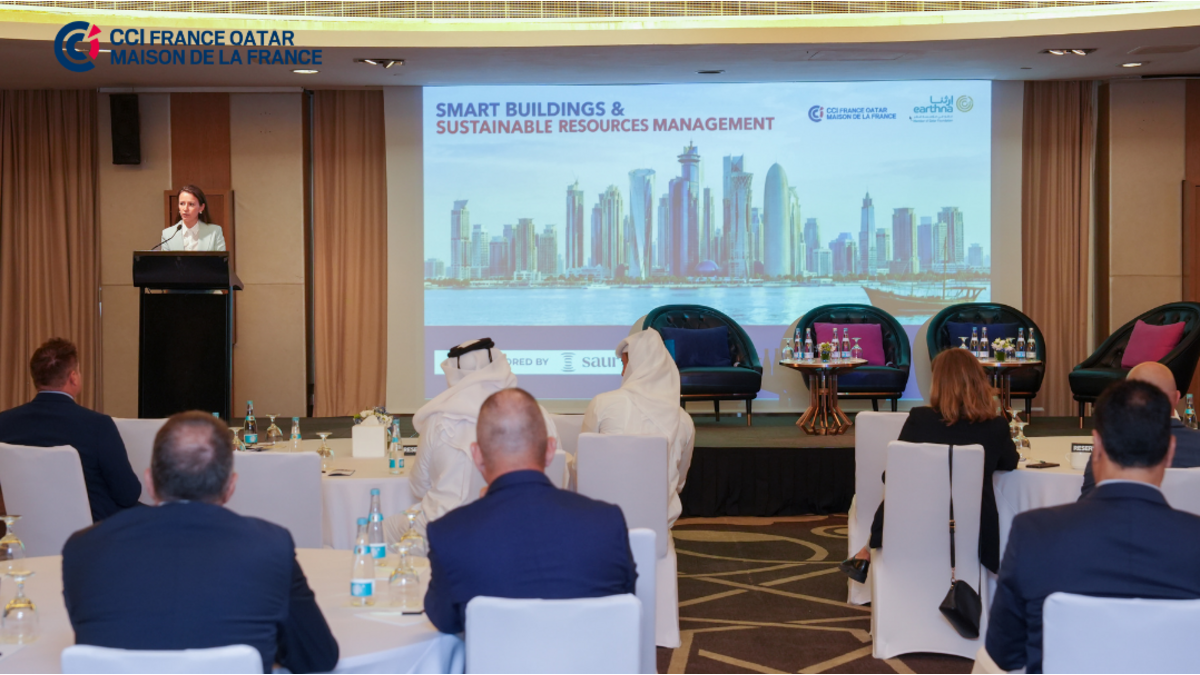
Doha, Qatar – 15 September 2026 – CCI France Qatar, in partnership with Earthna, a member of Qatar Foundation, under the banner of its Sustainable City Committee, convened leading French and Qatari experts on 14 September at the W Doha for "Smart Buildings and Sustainable Resources Management", a half-day conference exploring how intelligent building design and sound water management can jointly strengthen Qatar's urban resilience. Sponsored by Saur, the event brought together speakers from Qatari Diar, Education City, Schneider Electric, Egis and Saur.
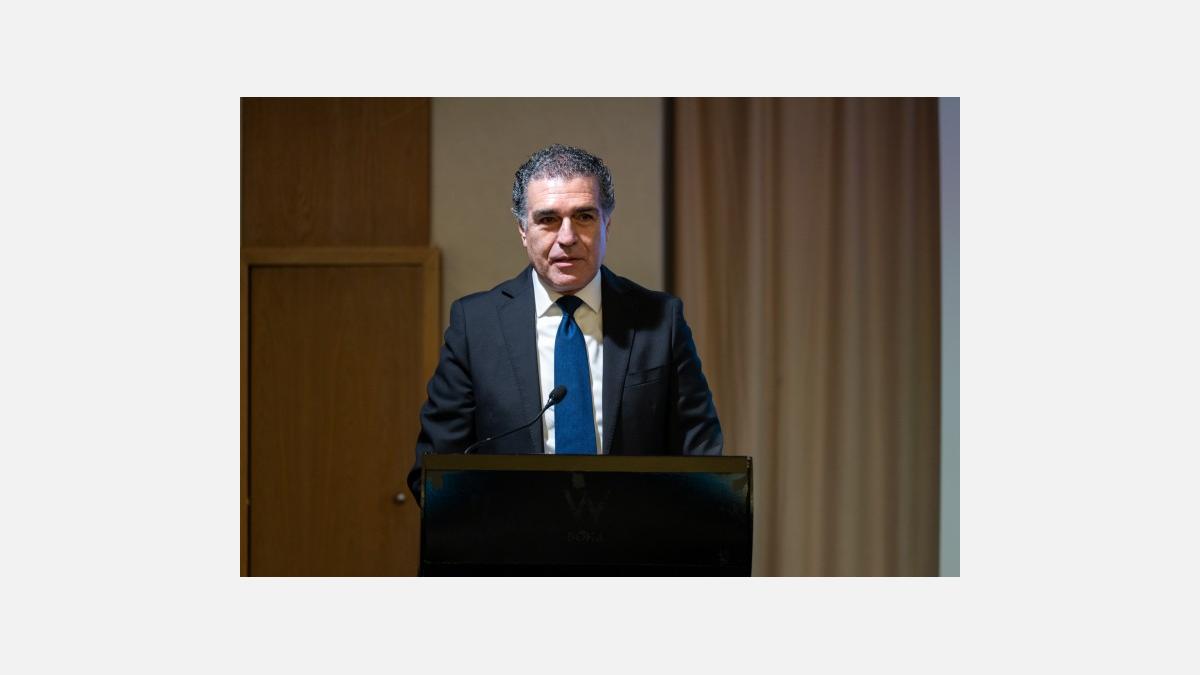
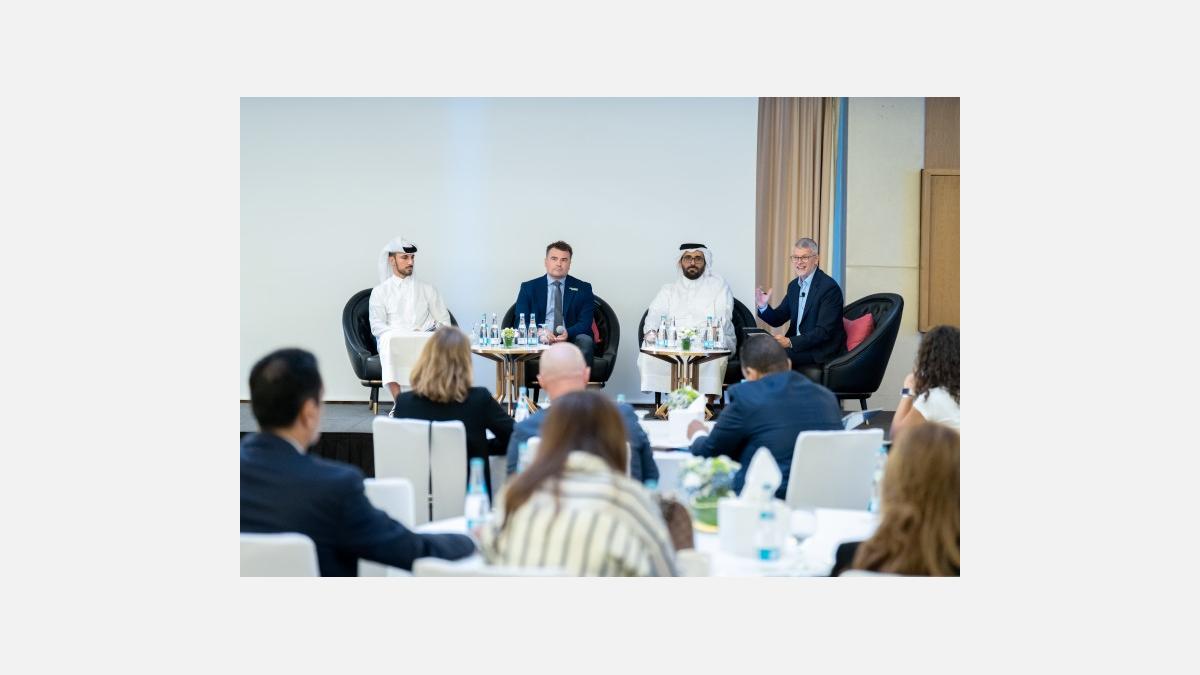
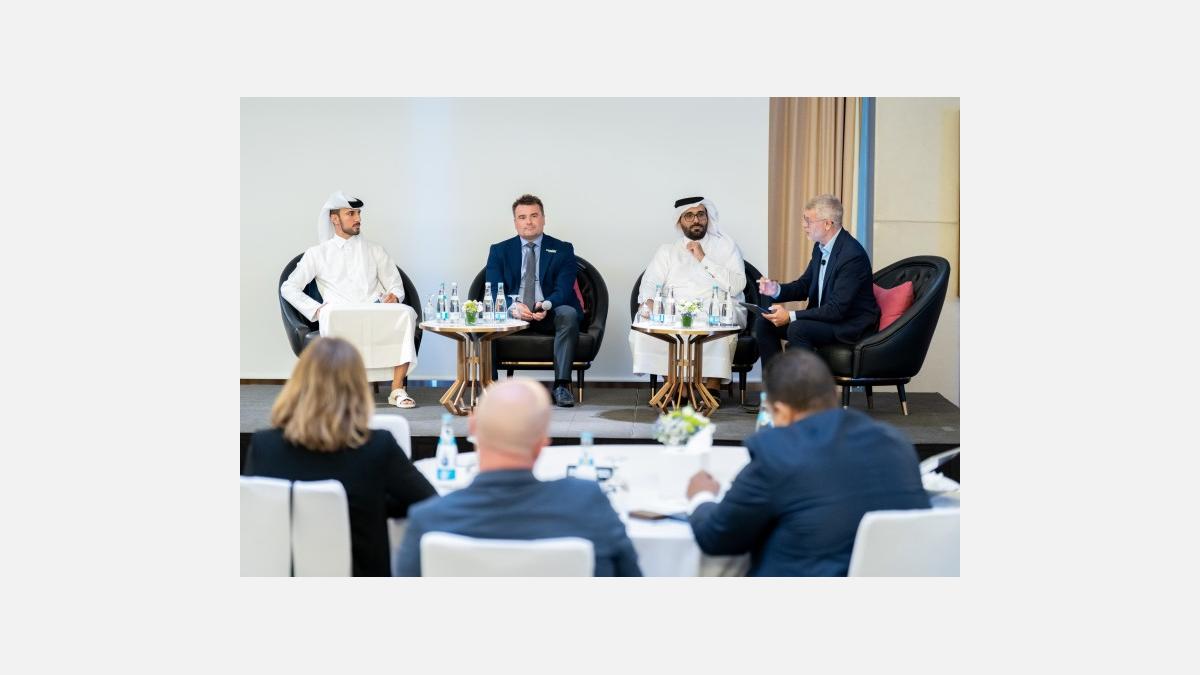
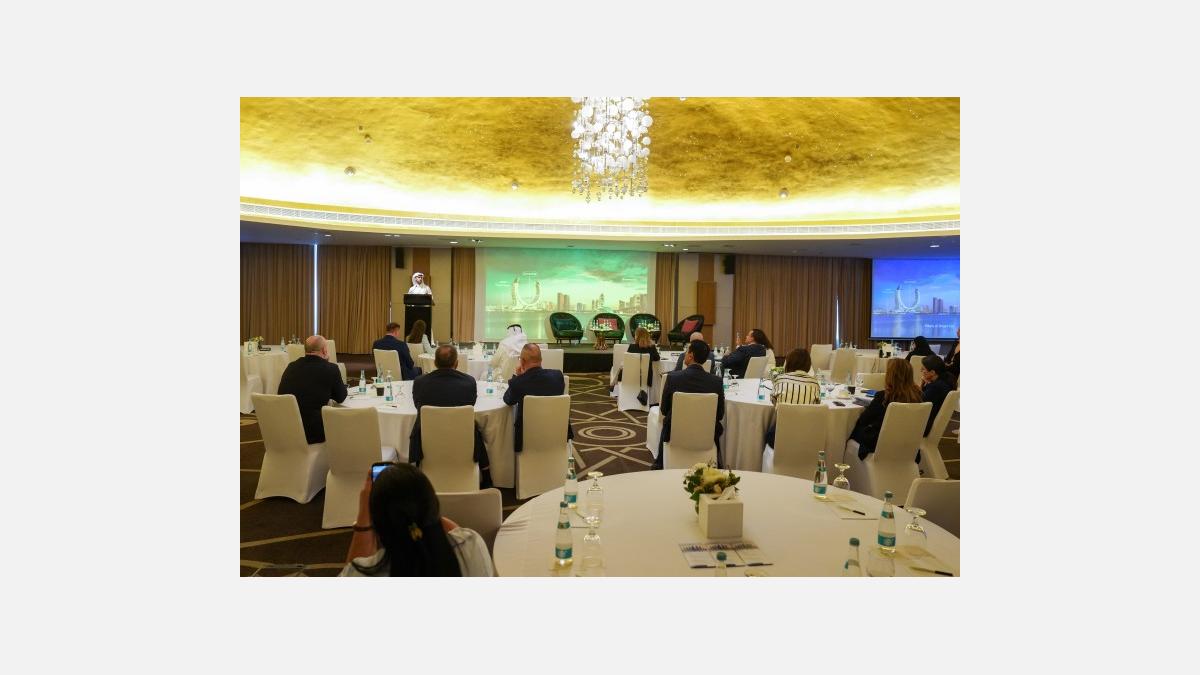
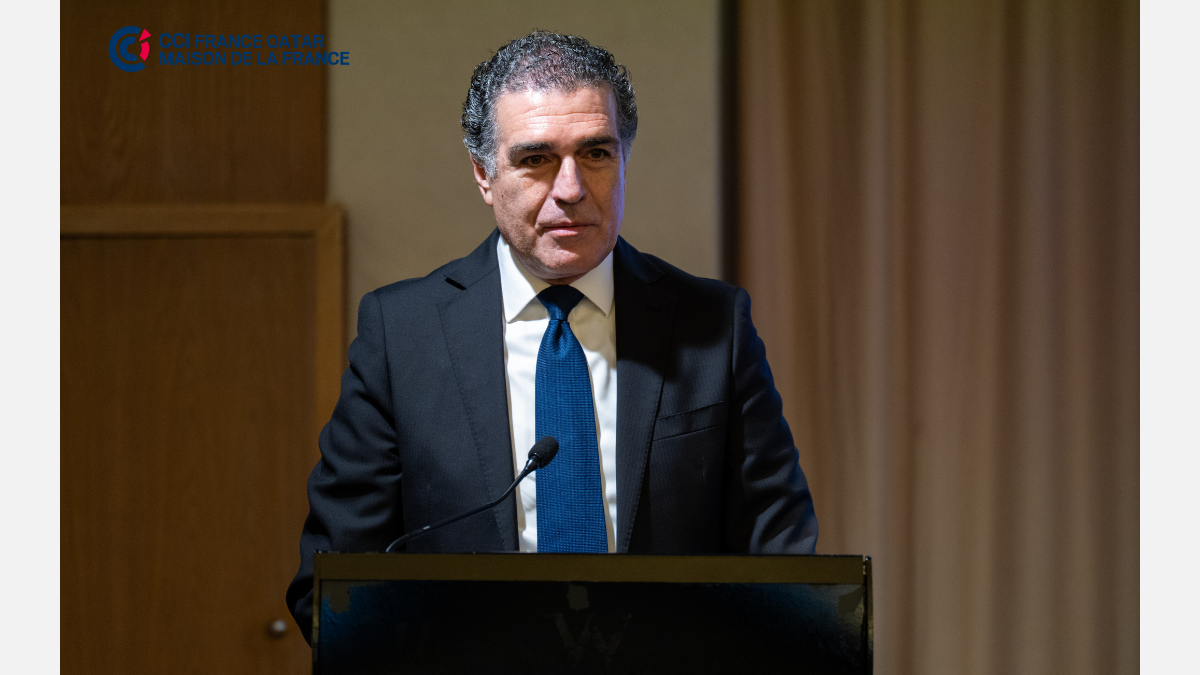
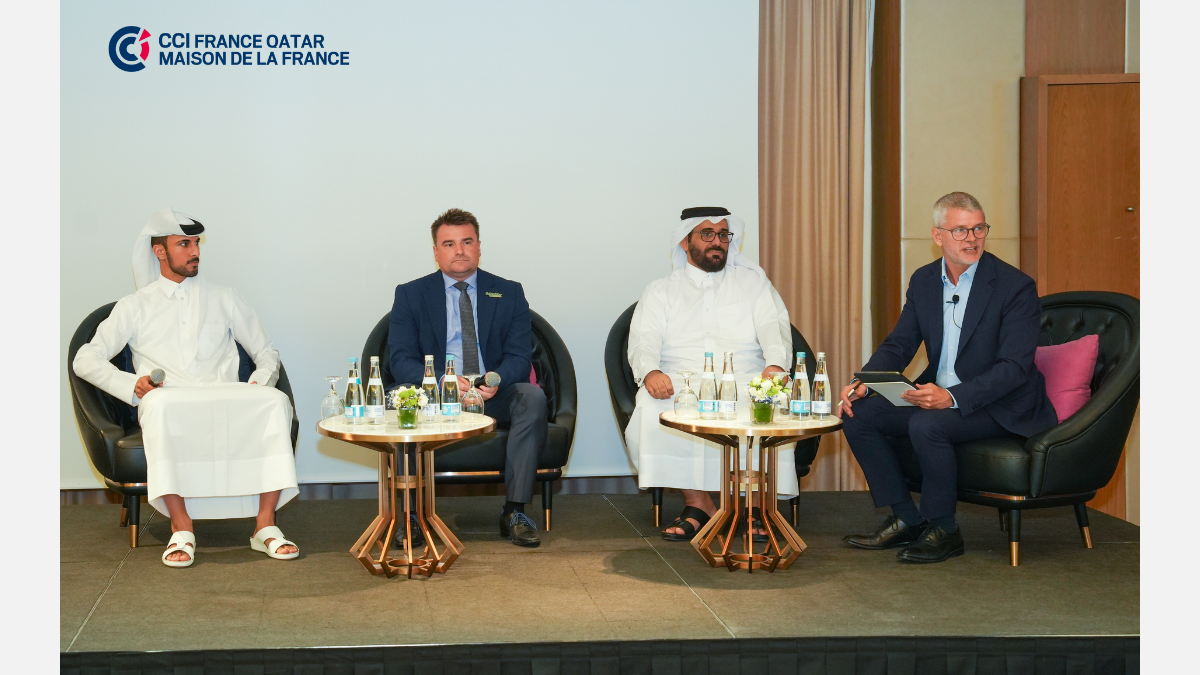
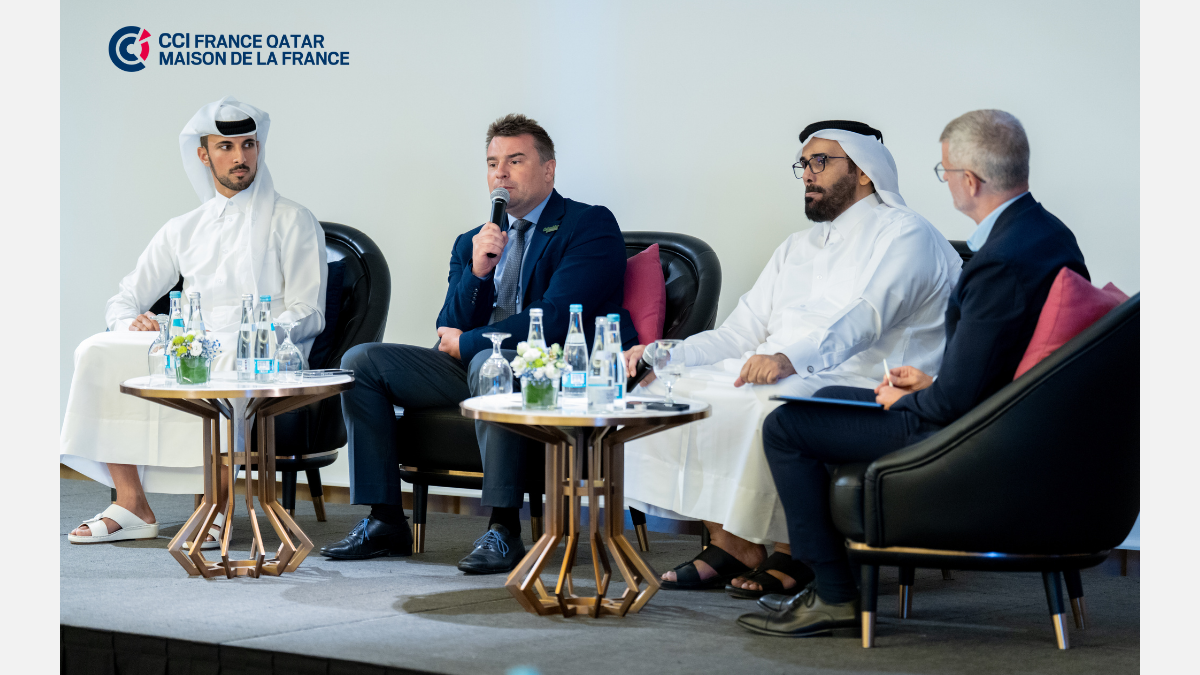
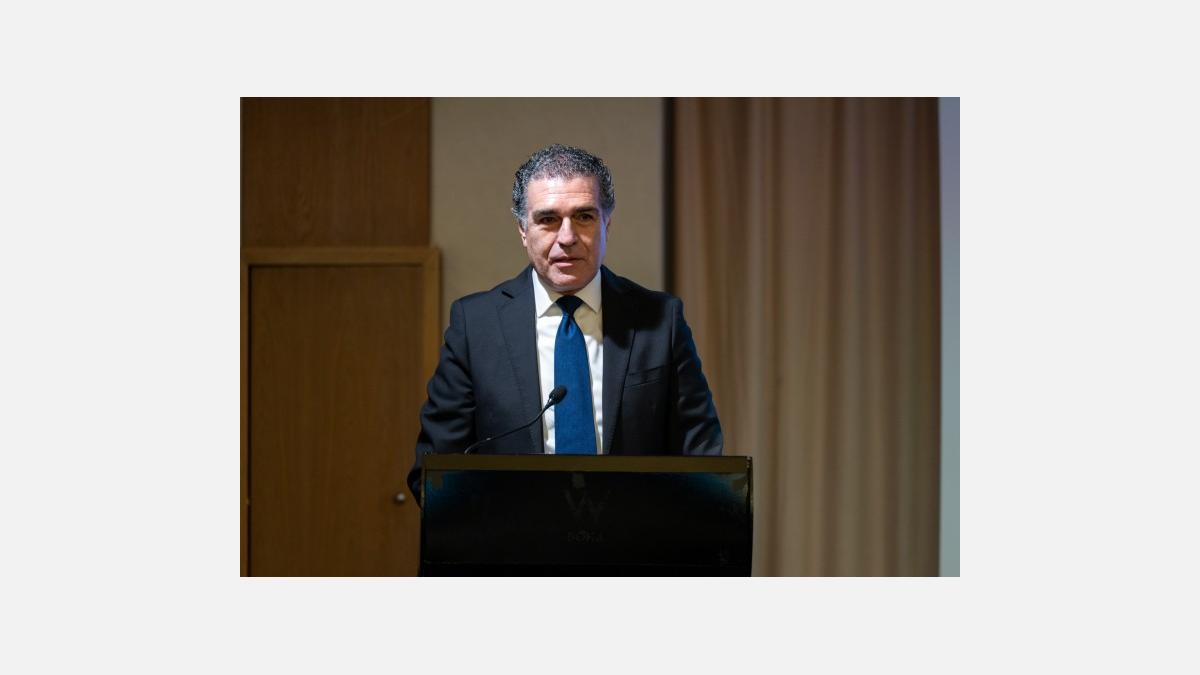
The conference, opened with remarks from Dr Gonzalo Castro de la Mata, Executive Director of Earthna, who noted that the day's discussions resonated with the world's preoccupations. The programme then moved into a presentation on the Lusail integrated cognitive platform, followed by two panel discussions, moderated by Sébastien Turbot, Director of Advocacy and Communication at Earthna, one on smart buildings and one on water in buildings.
Smart Building: Integration, Energy and Overall Performance
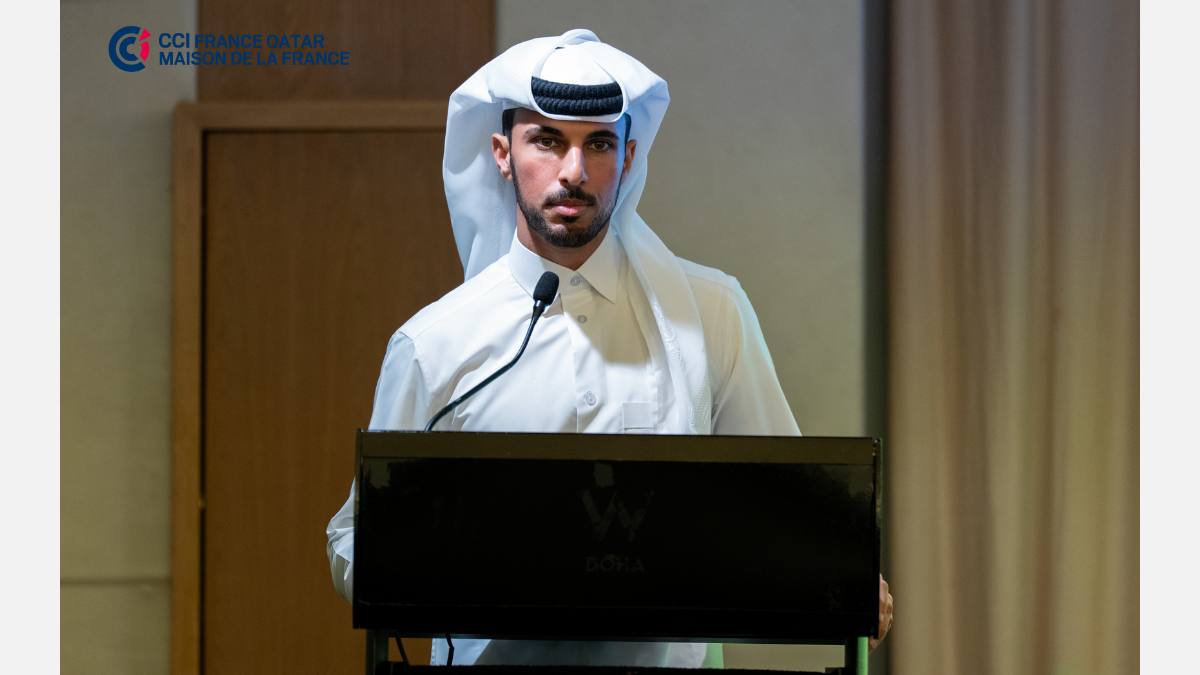
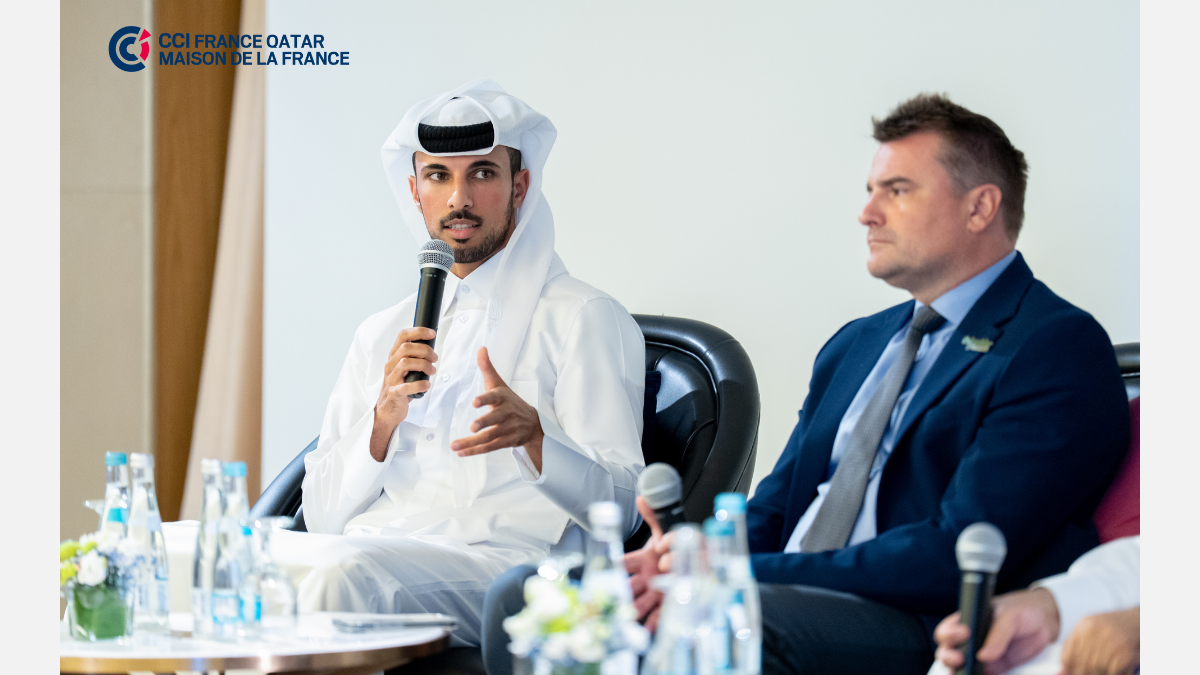
Following Dr Castro de la Mata's opening remarks, Ghanim Al-Sulaiti, Head of Smart City Management at Qatari Diar, presented the Lusail integrated cognitive platform. He set the tone for the day:
"Smart cities are not defined by technology alone, but by how intelligently we integrate buildings, infrastructure and data to improve people's lives. At Lusail City, our ambition is to create a connected, efficient and resilient urban environment where sustainability is embedded in every decision we make."
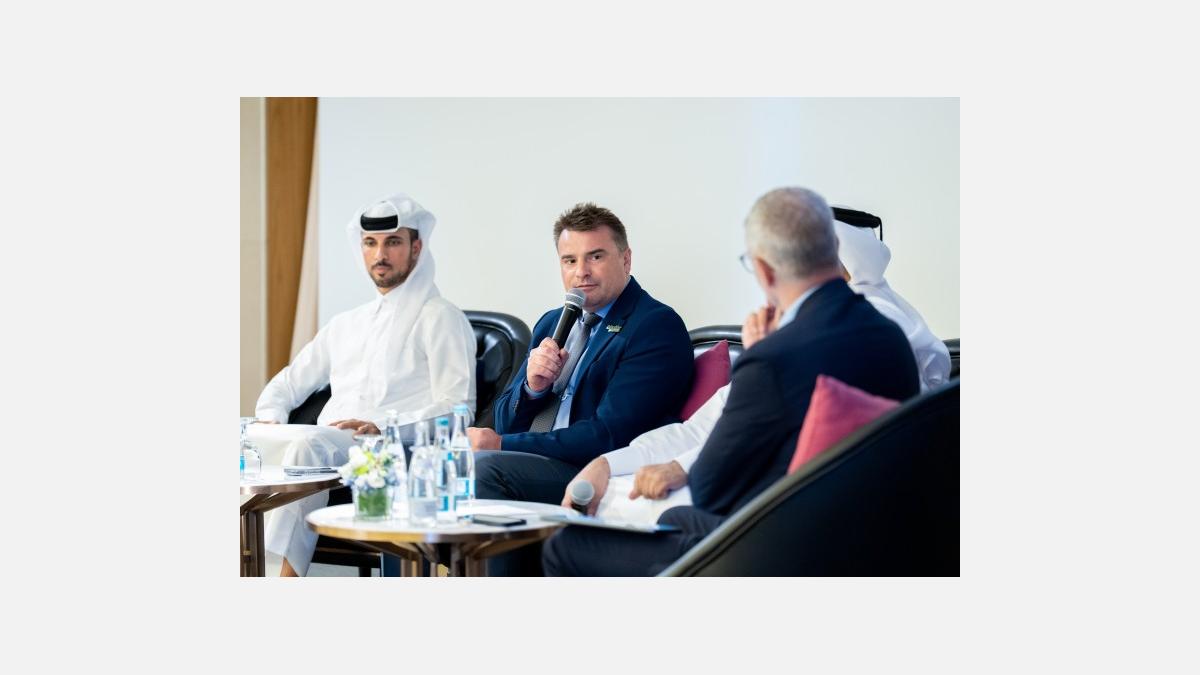
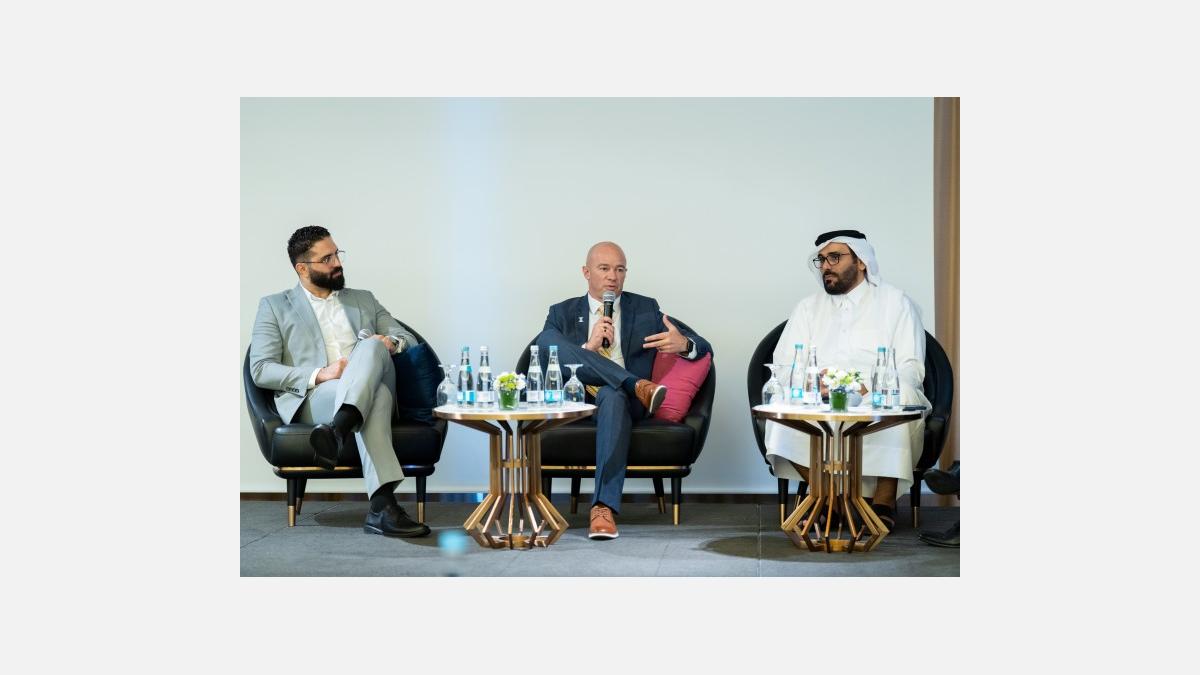
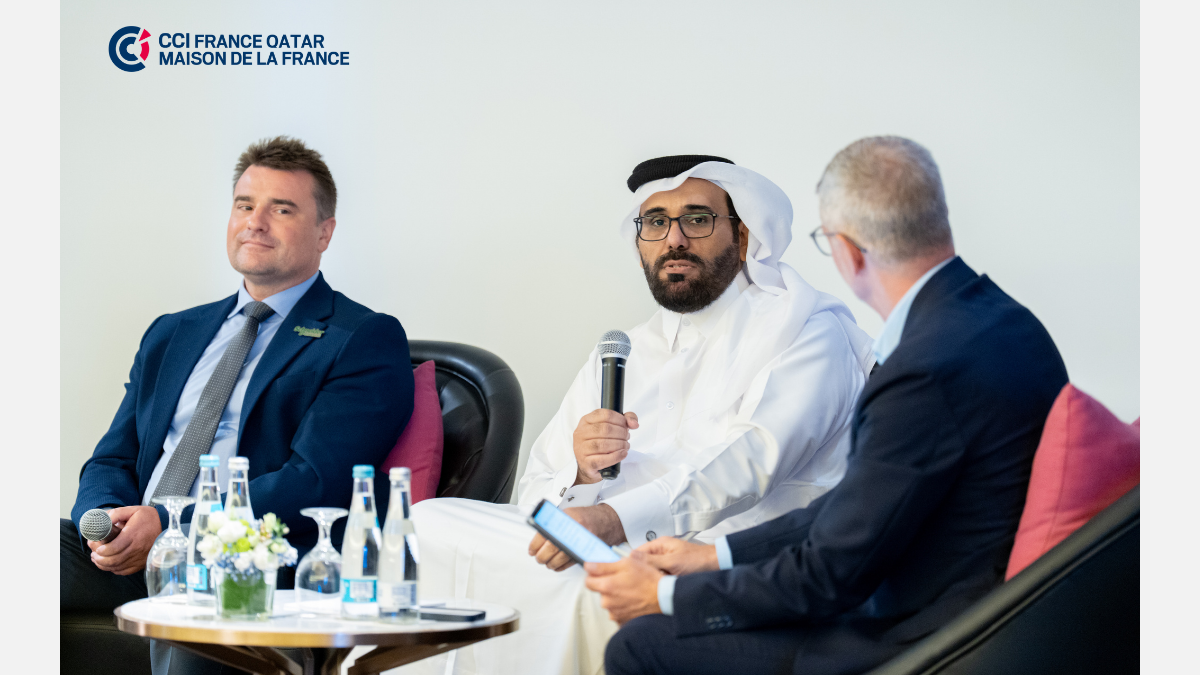
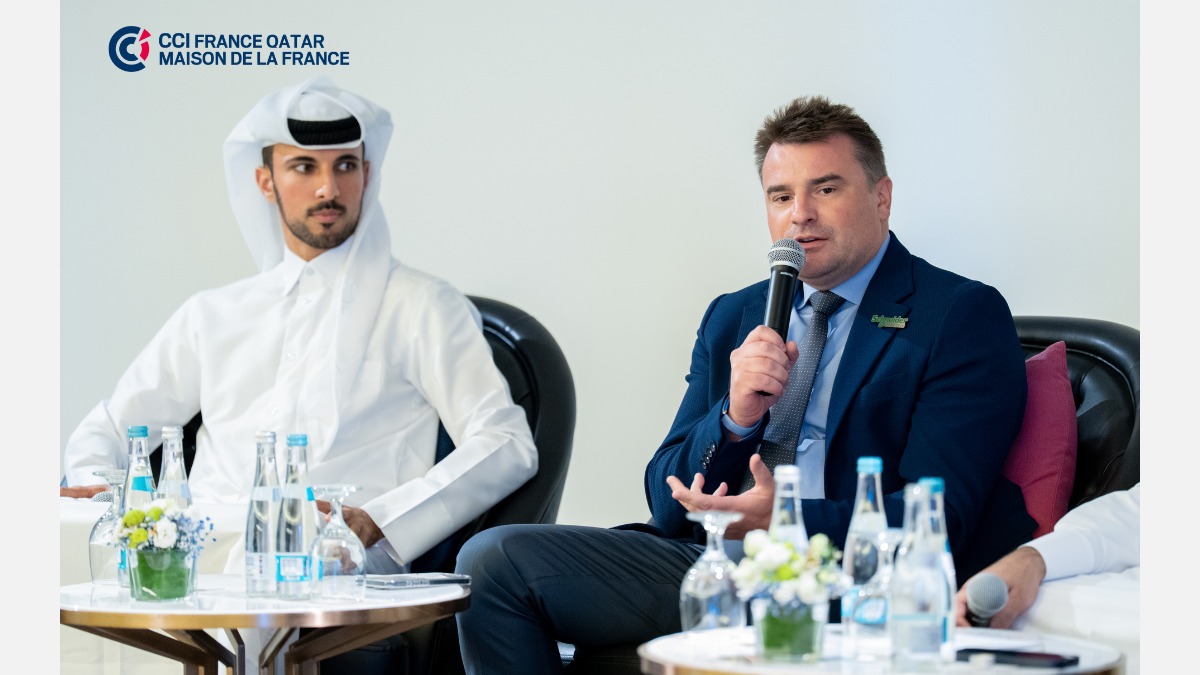
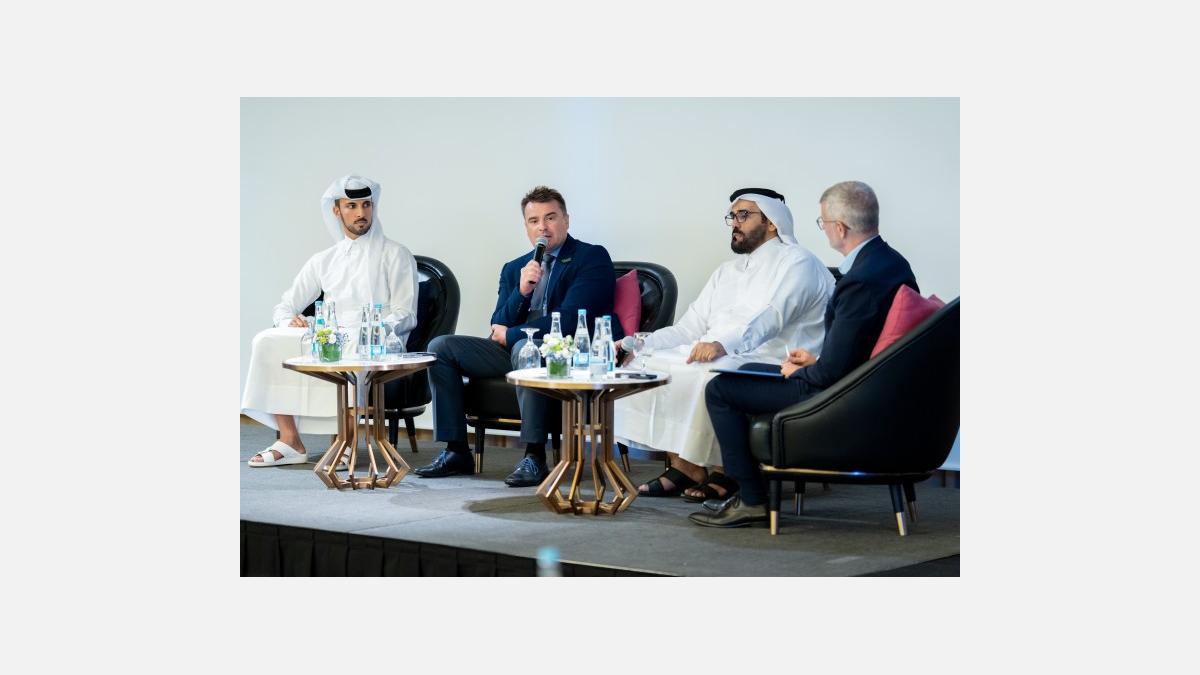
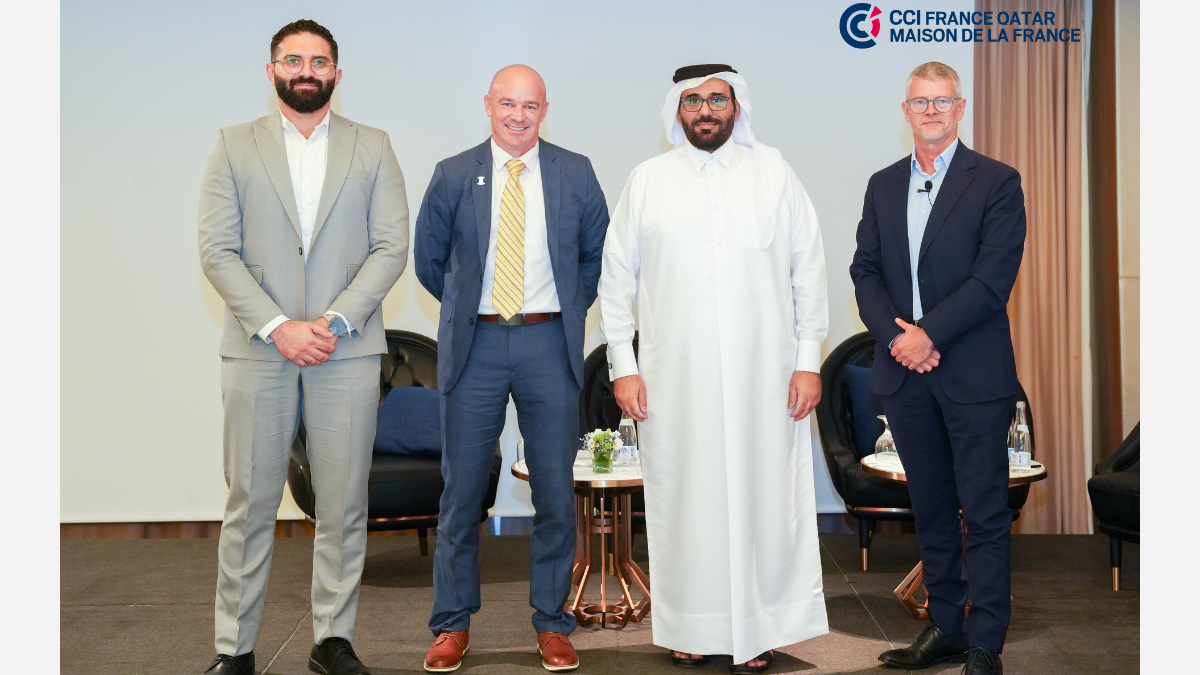
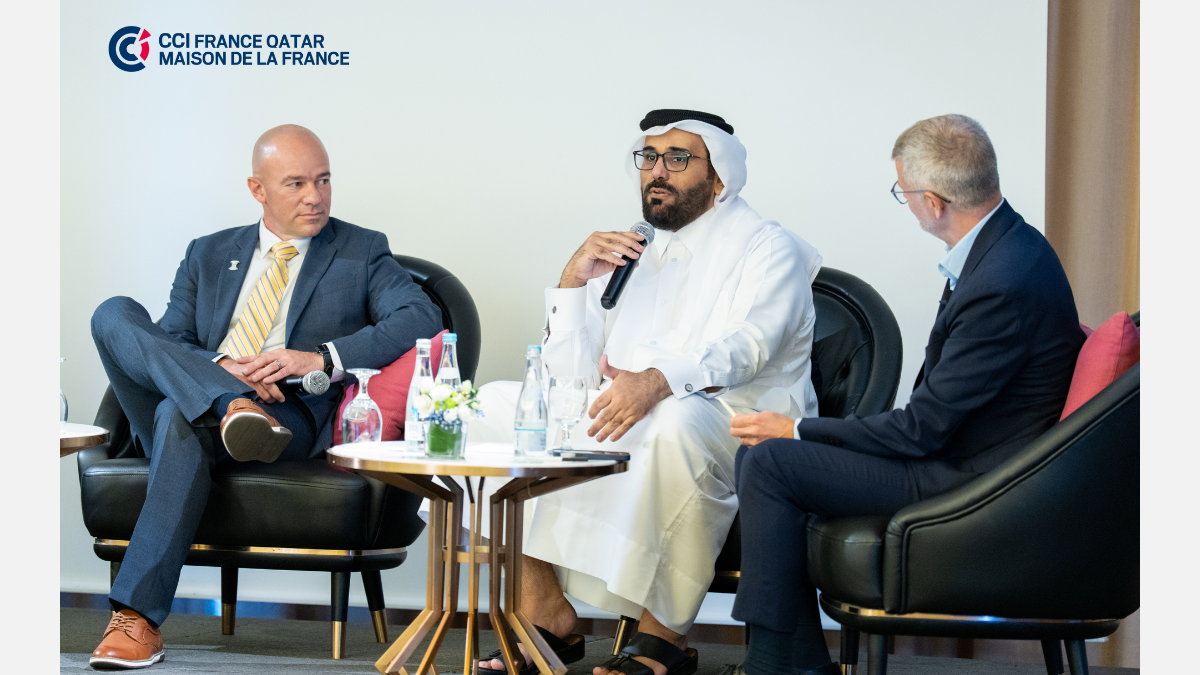
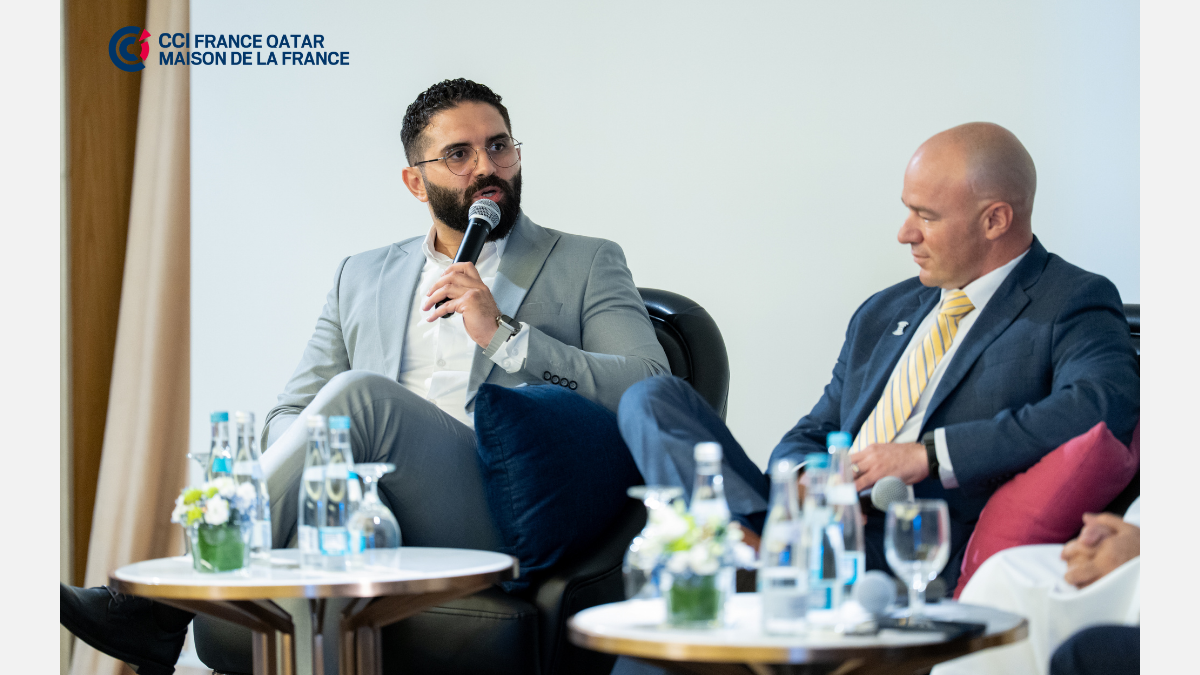
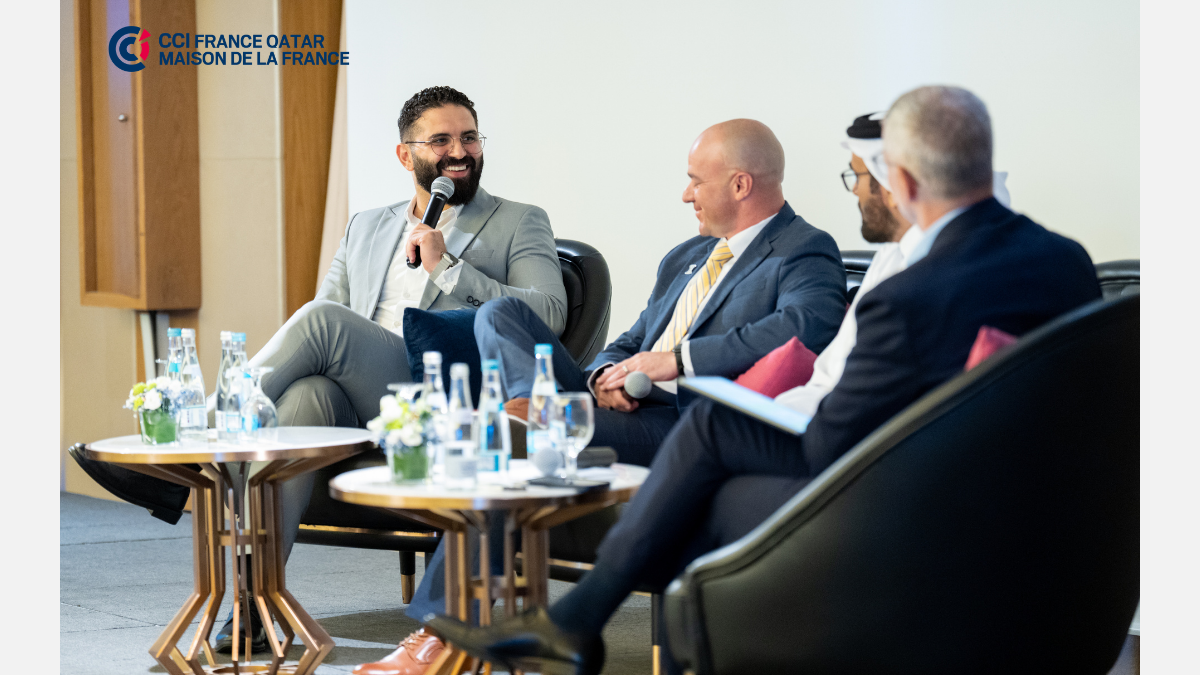
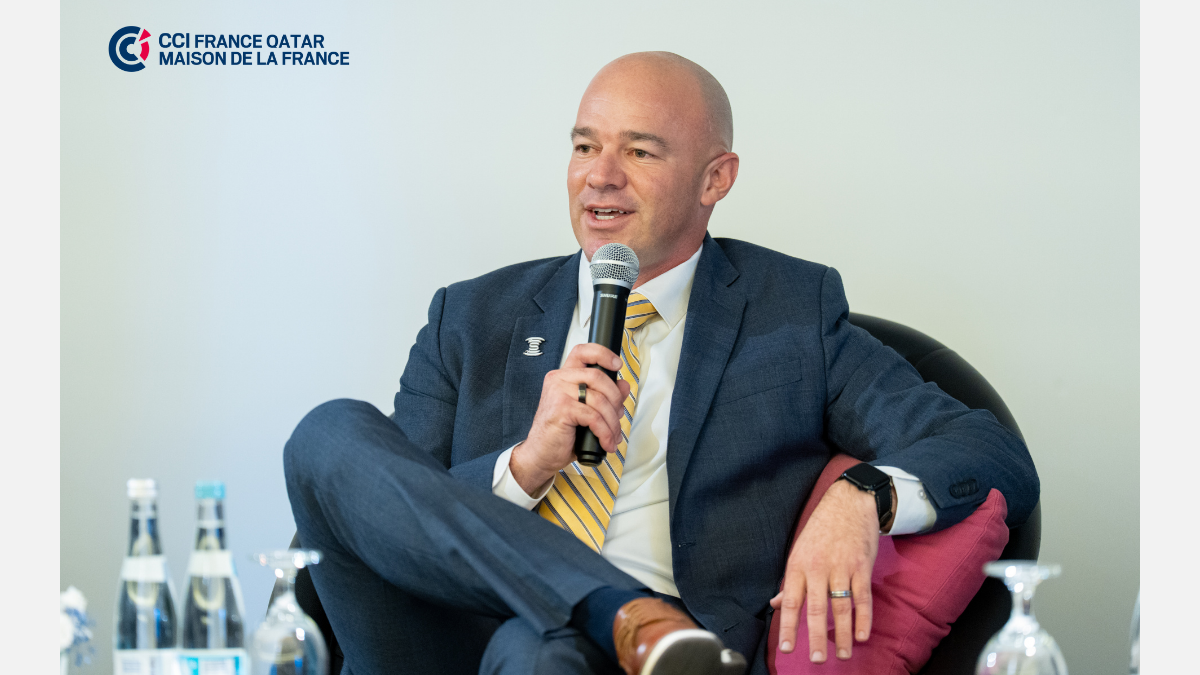
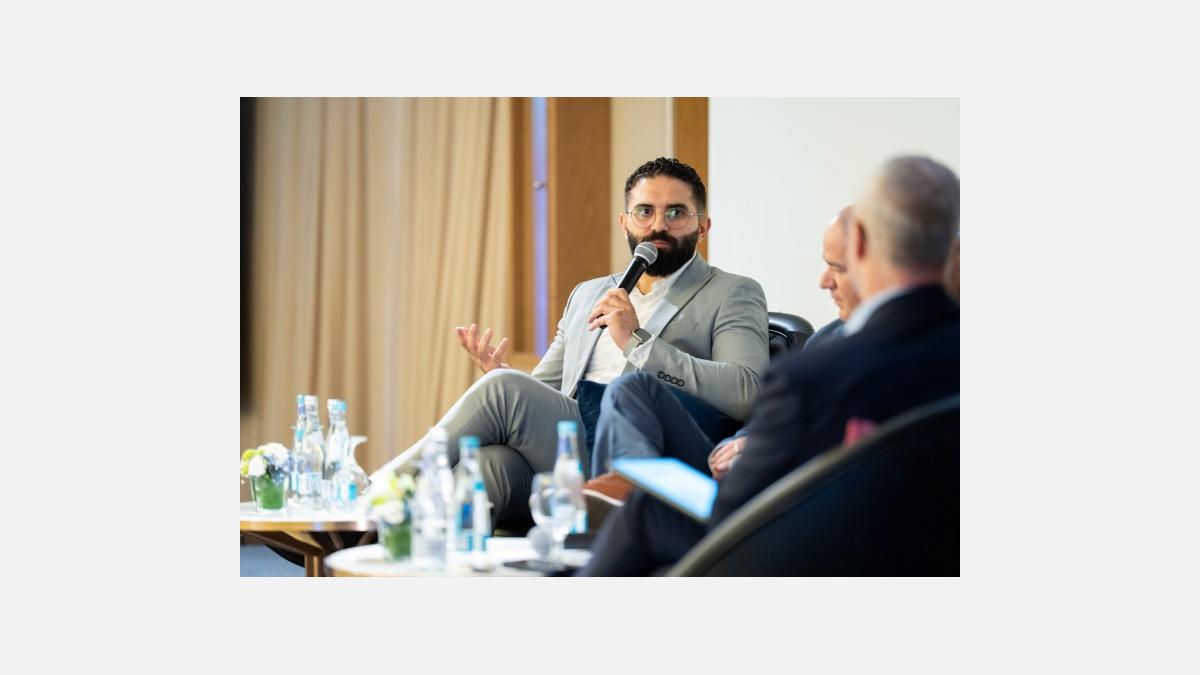
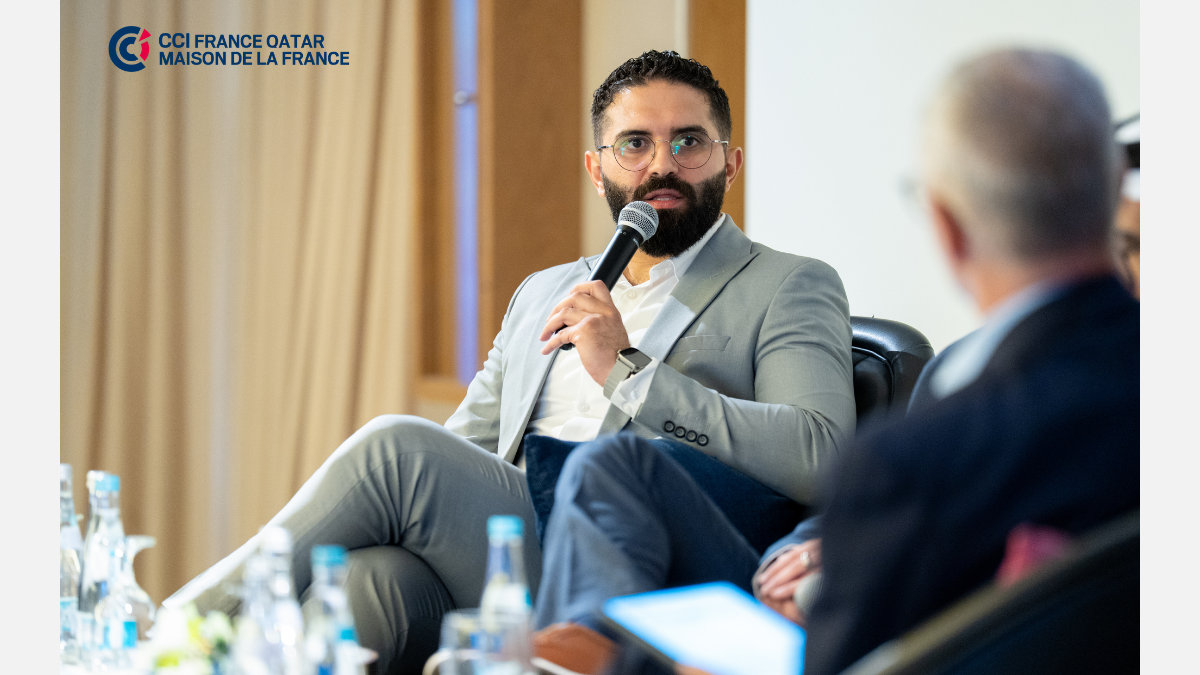
He was joined for the first panel, "Smart Building: Integration, Energy and Overall Performance," by Eng. Salem M. Al-Awi, Director of General Services - City Operations at Education City, and Ronan Tregouët, Country Manager at Schneider Electric, for a discussion on intelligent control, energy efficiency and systems convergence in the buildings of tomorrow. Looking beyond new construction, Eng. Al-Awi noted that "retrofitting is exciting too, and the future lies also in improving existing buildings."
No Energy Transition Without a Water Transition
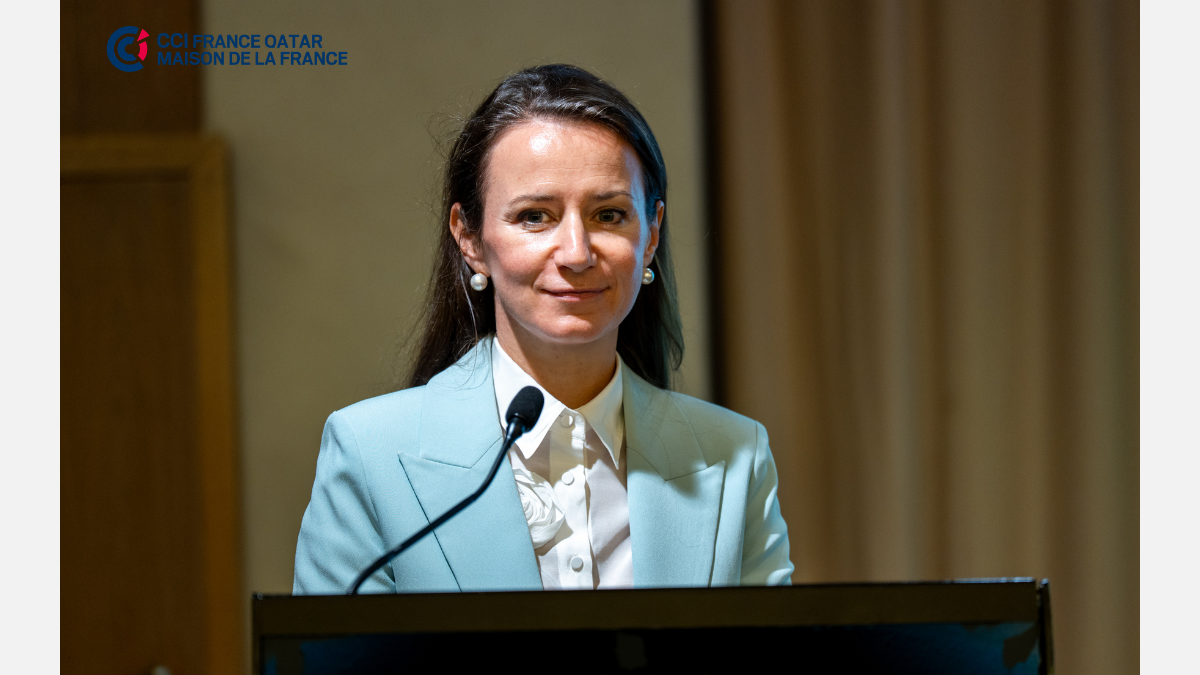
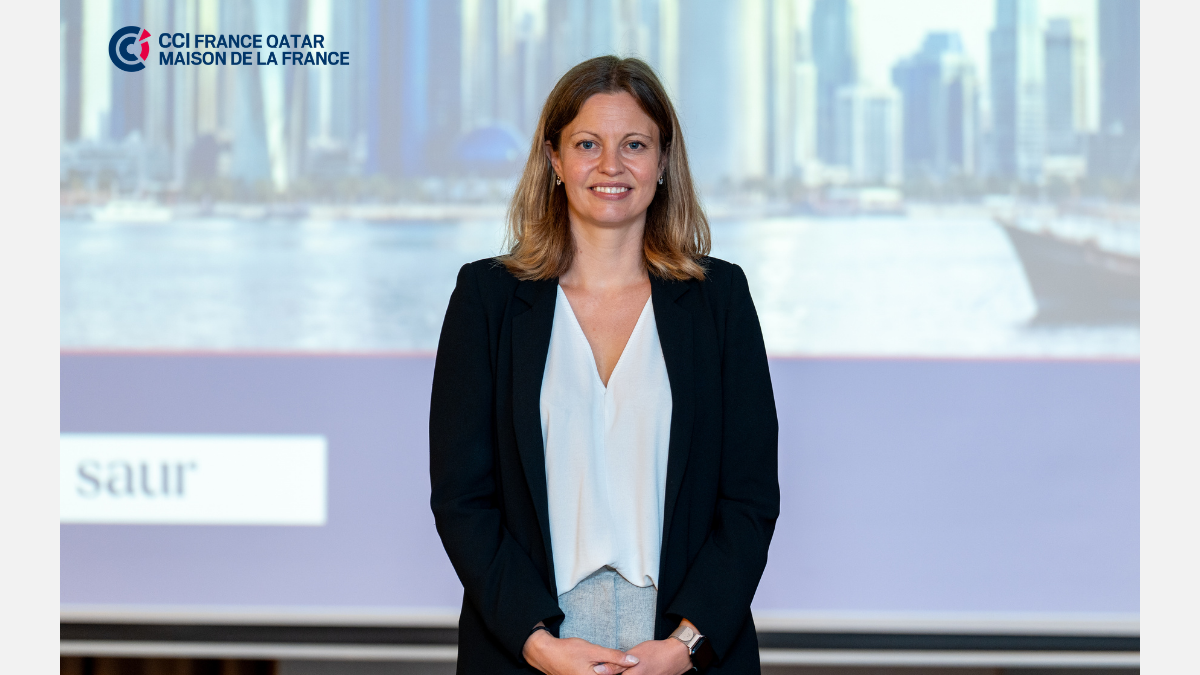
Marie Francolin, President of Saur Services, then introduced Saur, a water pure player operating in 100 countries, stressing that there will be no energy transition without a water transition. She detailed how the Group's global experience translates into solutions for Qatar:
"Thanks to its global portfolio, Saur offers solutions and services tailored to Qatar's challenges. By combining its water resource management tools (aquifer quantity and quality, saltwater intrusion) and decentralized water treatment solutions at the scale of a building, a neighbourhood, or sports or leisure facilities, the Saur Group creates a positive impact by reducing water consumption per person and strengthening the territory's water resilience."
Water in Buildings: From Management to Recovery
The closing panel, "Water in Buildings: From Management to Recovery," turned to greywater, blackwater, recycling and regulation on the path towards zero-discharge buildings. Panellists Eng. Salem M. Al-Awi, Zach Gallagher, CEO of Natural Systems Utilities, and Mohamed ElSheiwi, Water and Energy Project Manager at Egis, debated how centralised and decentralised systems can best work together. Zach Gallagher argued that the two approaches are most effective in combination:
"For too long, the water sector has framed centralized and decentralized infrastructure as competing approaches, when in reality they are most effective when deployed together. Strategically integrating decentralized systems alongside centralized networks improves resilience, optimizes local water resources and expands opportunities for innovative public-private partnership models. As water challenges grow more complex, the future lies in combining both approaches to deliver smarter, more sustainable and resilient infrastructure."
Eng. Salem M. Al-Awi echoed this call for a systemic approach, stating that "a district approach is better than a stand-alone approach."
A Shared Commitment to Sustainable Cities
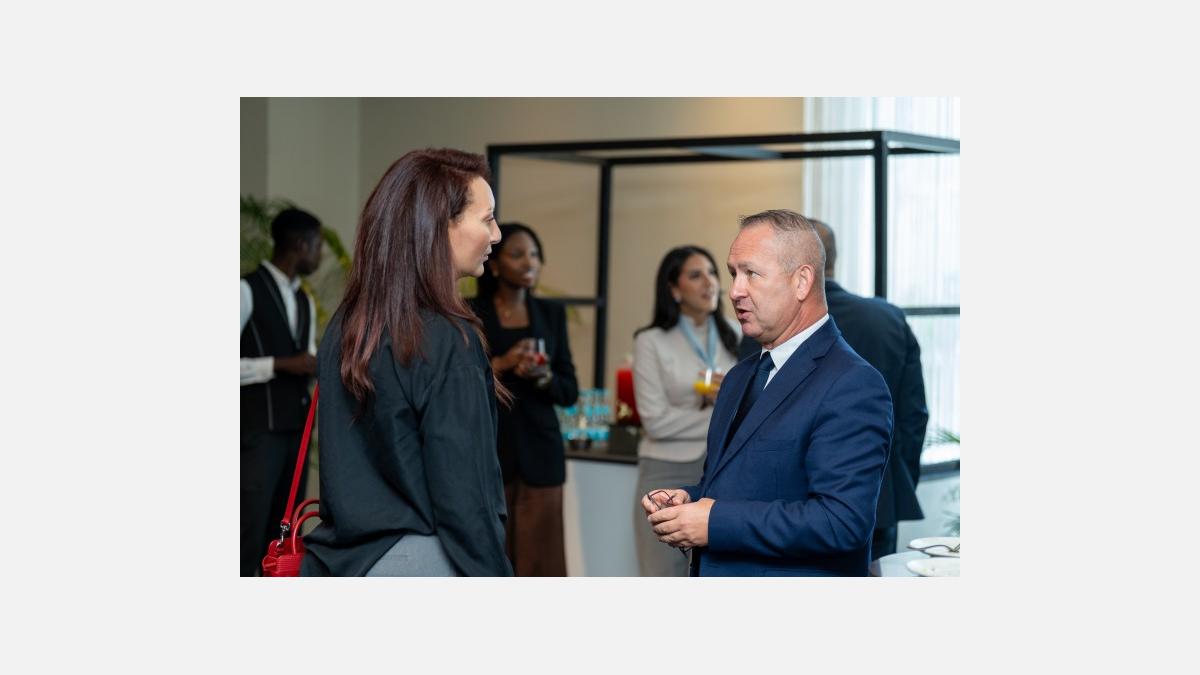
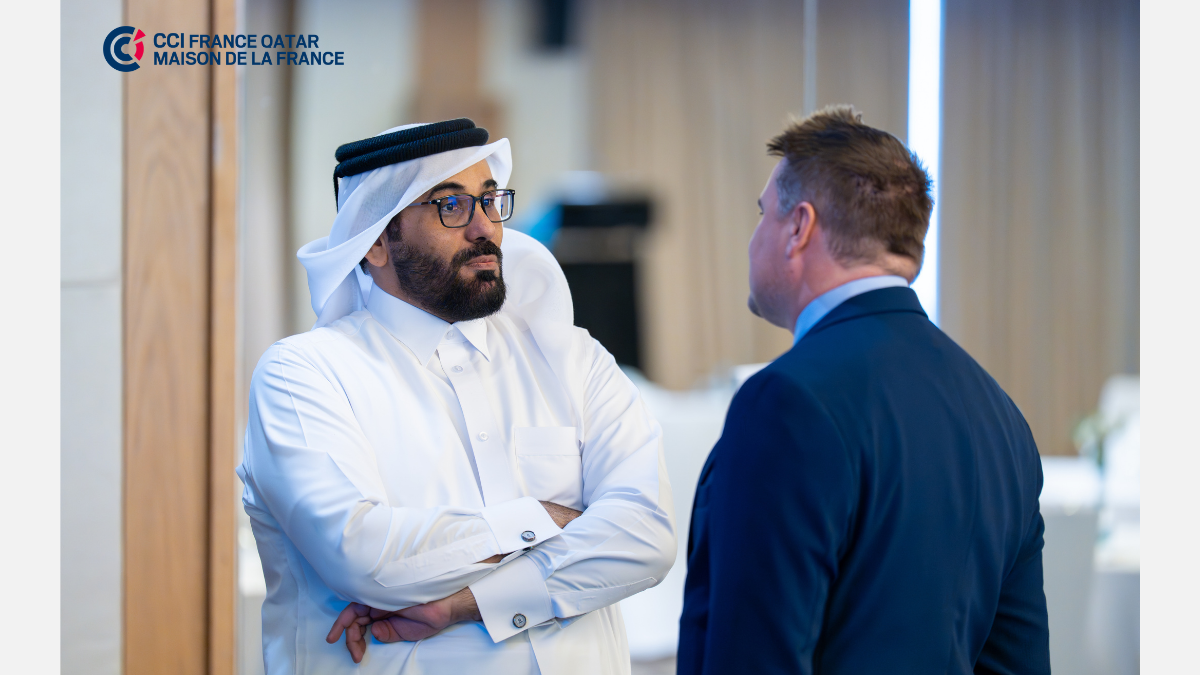
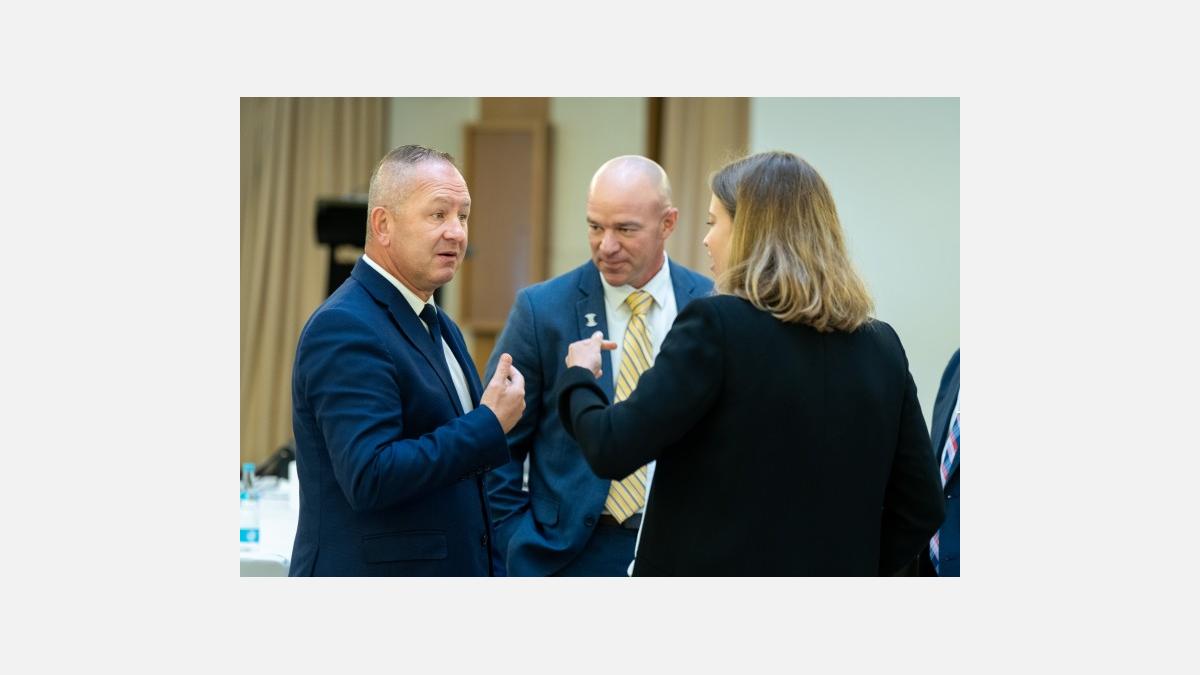
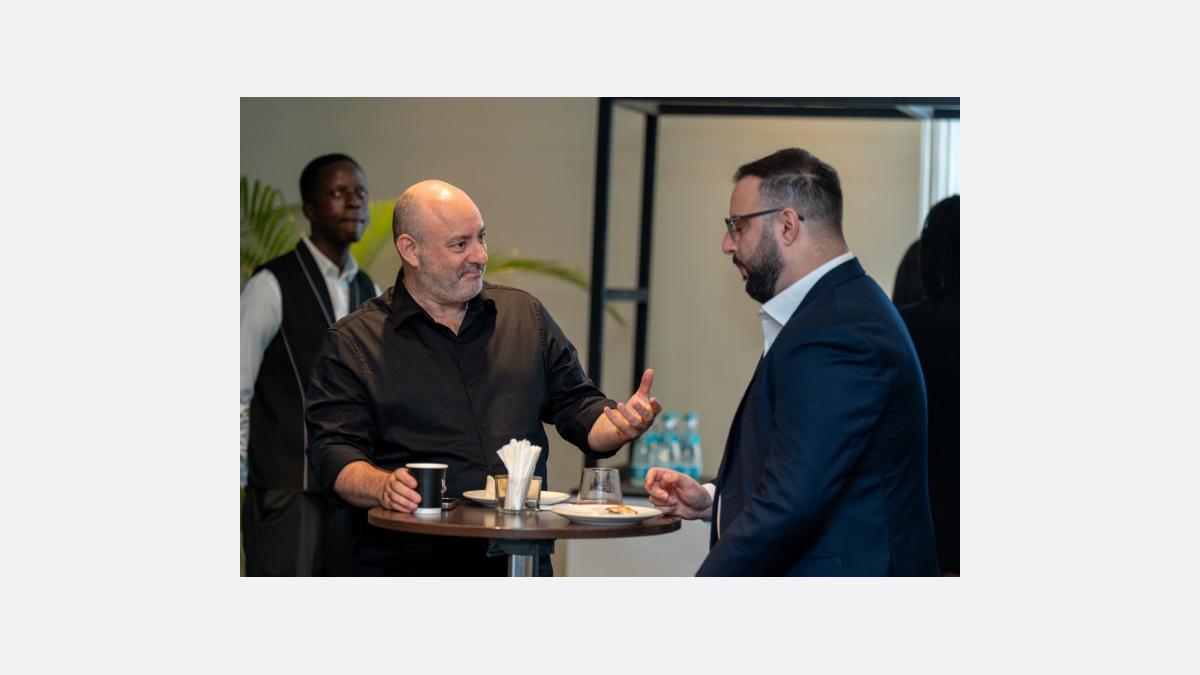
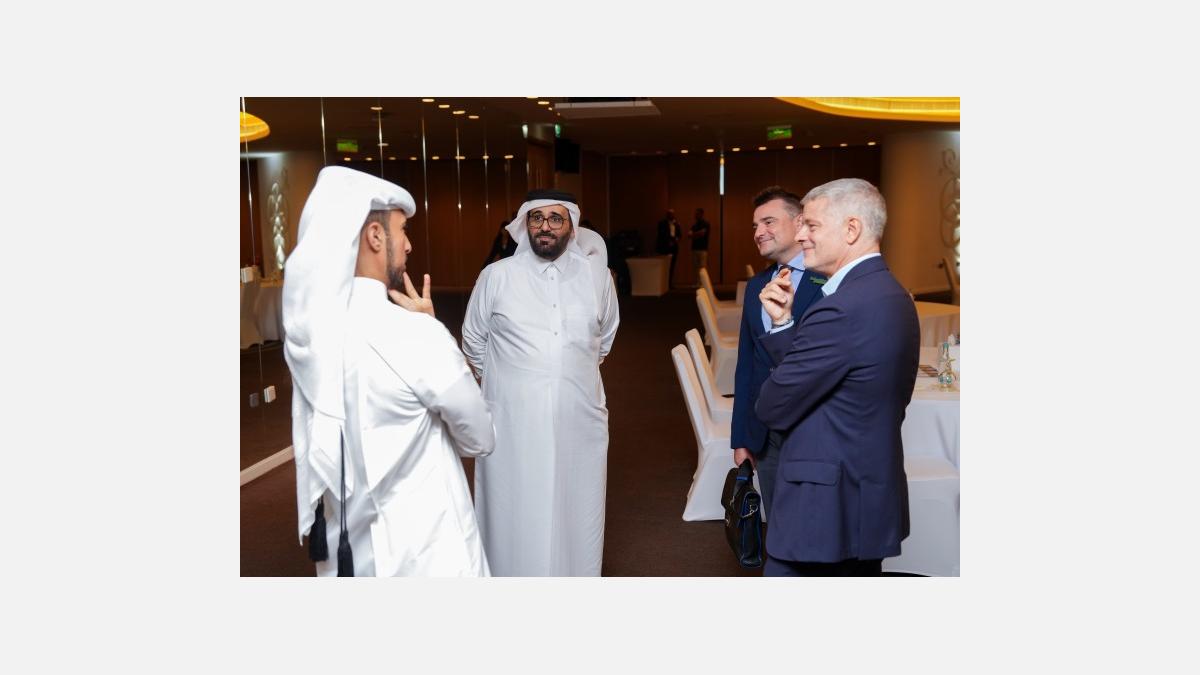
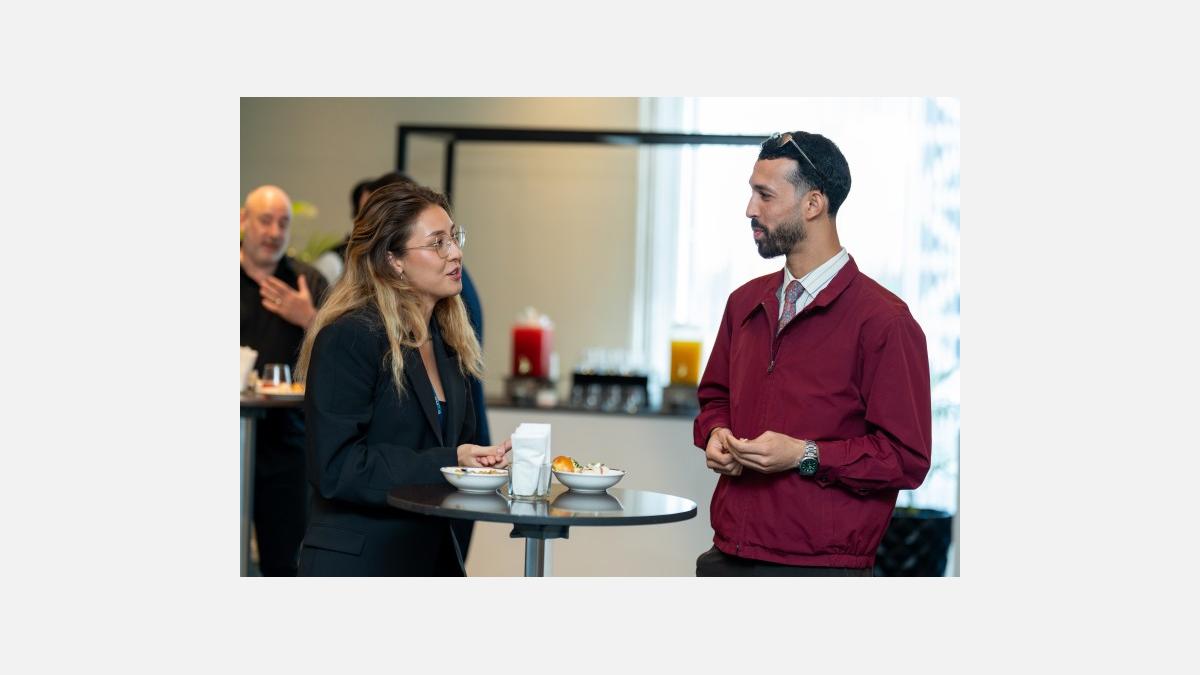
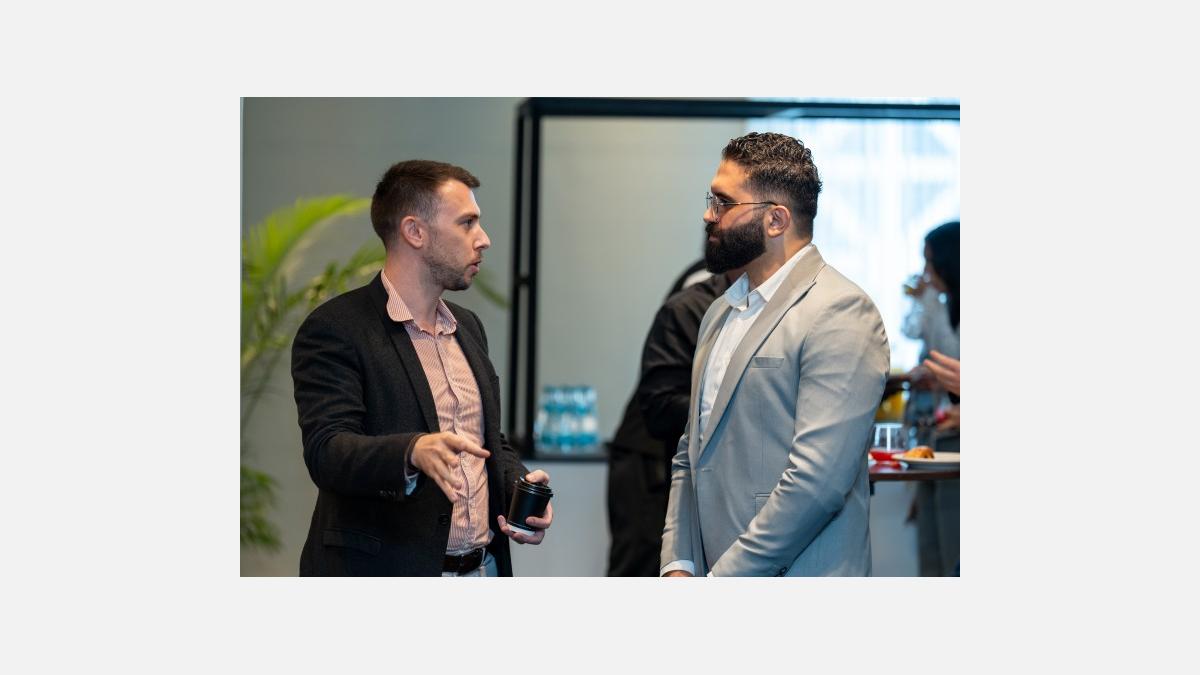
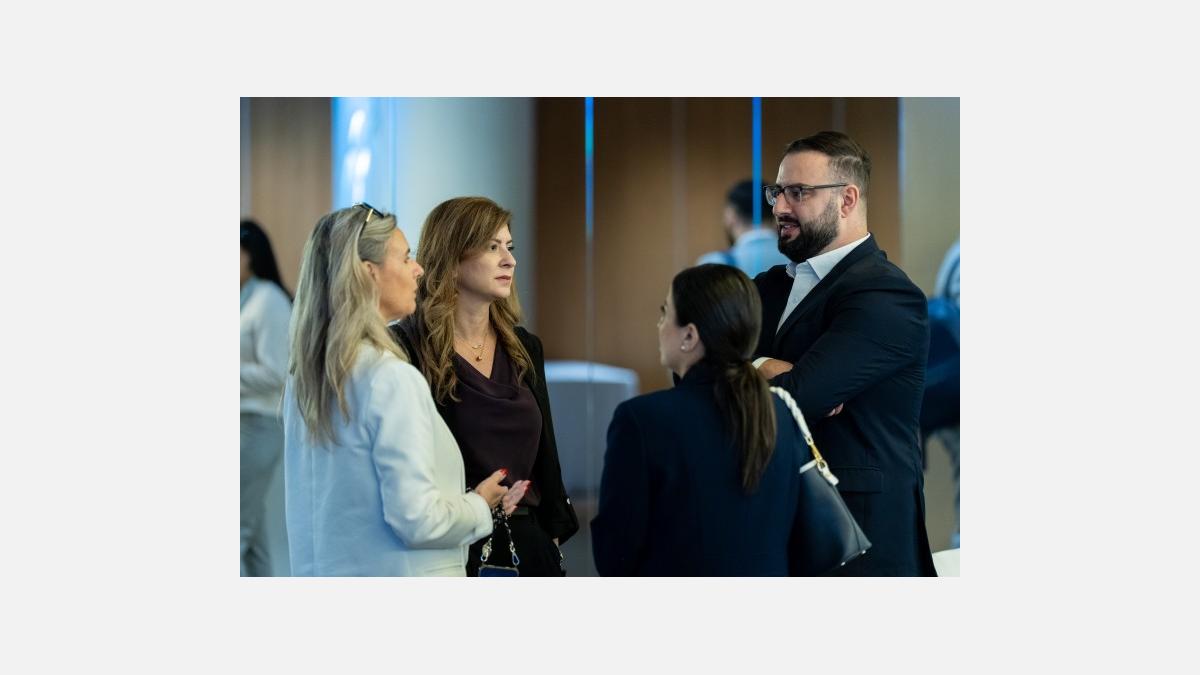
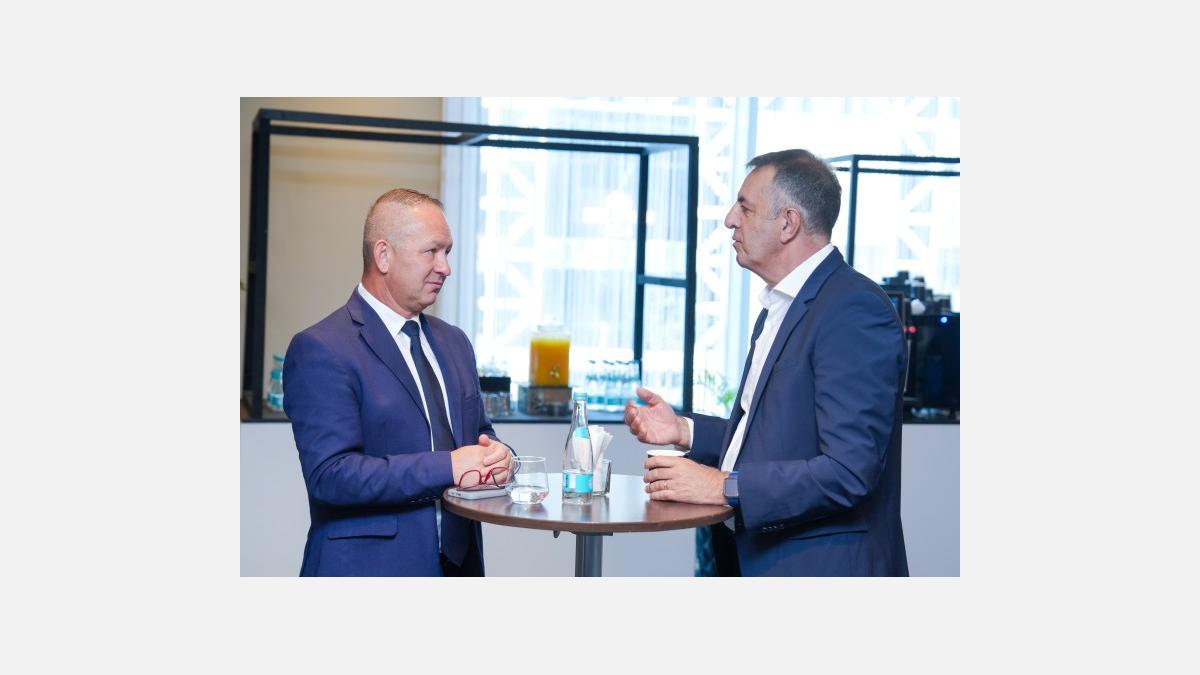
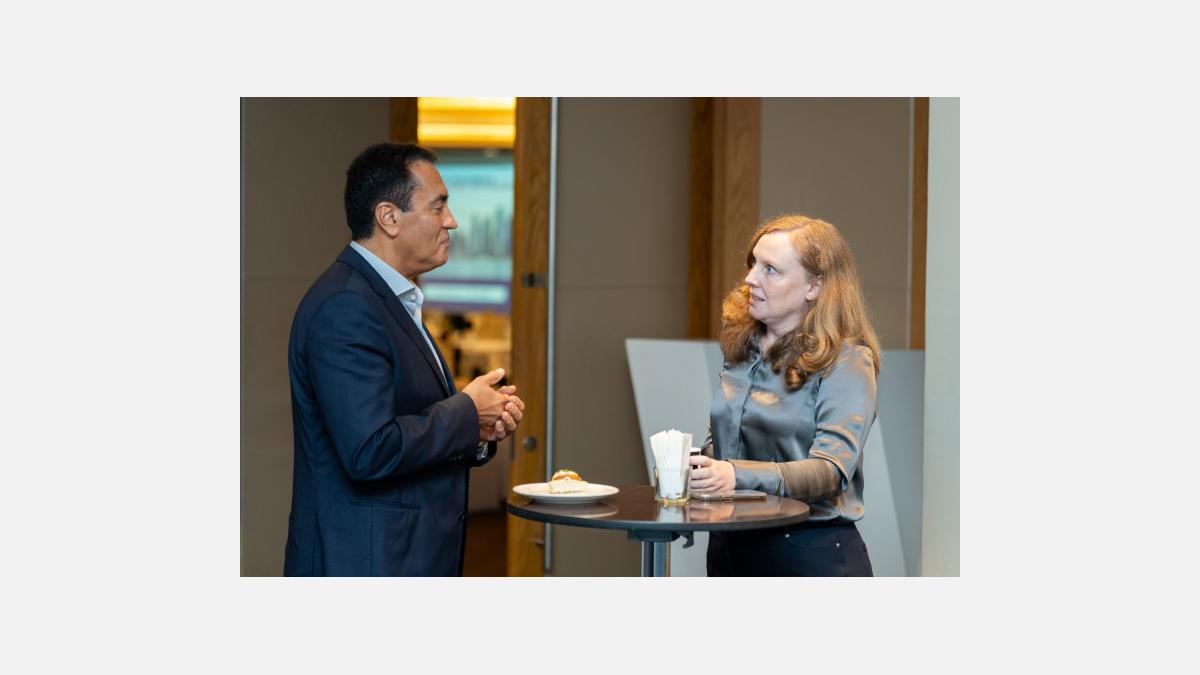
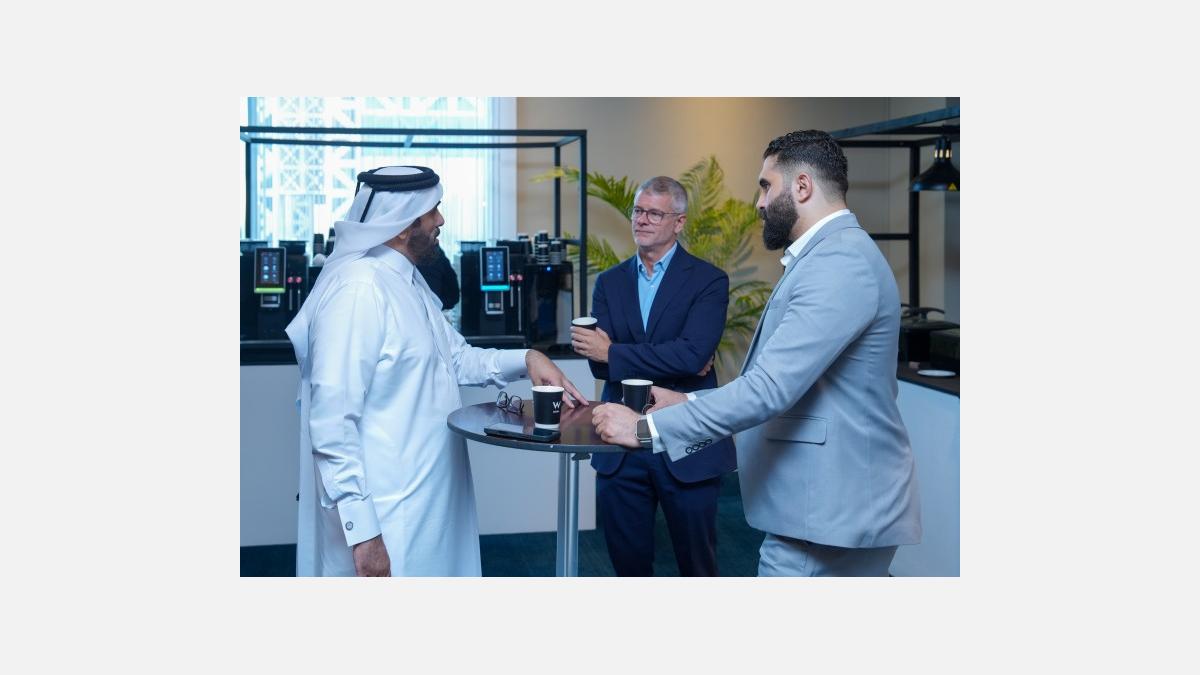
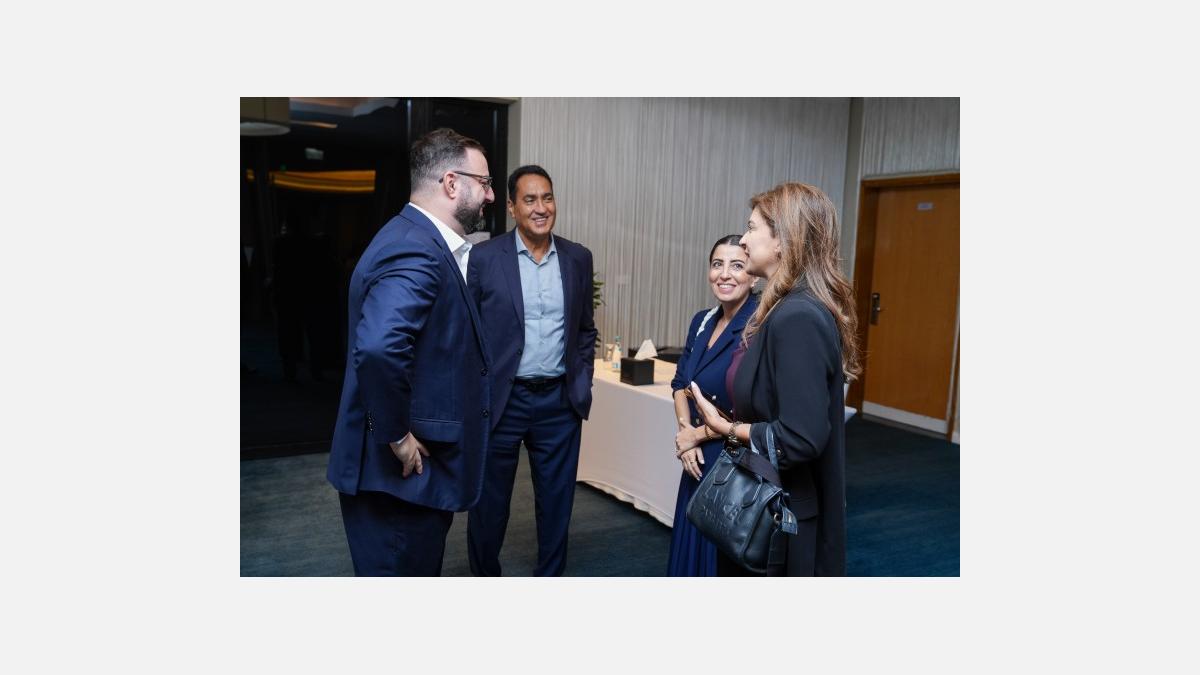
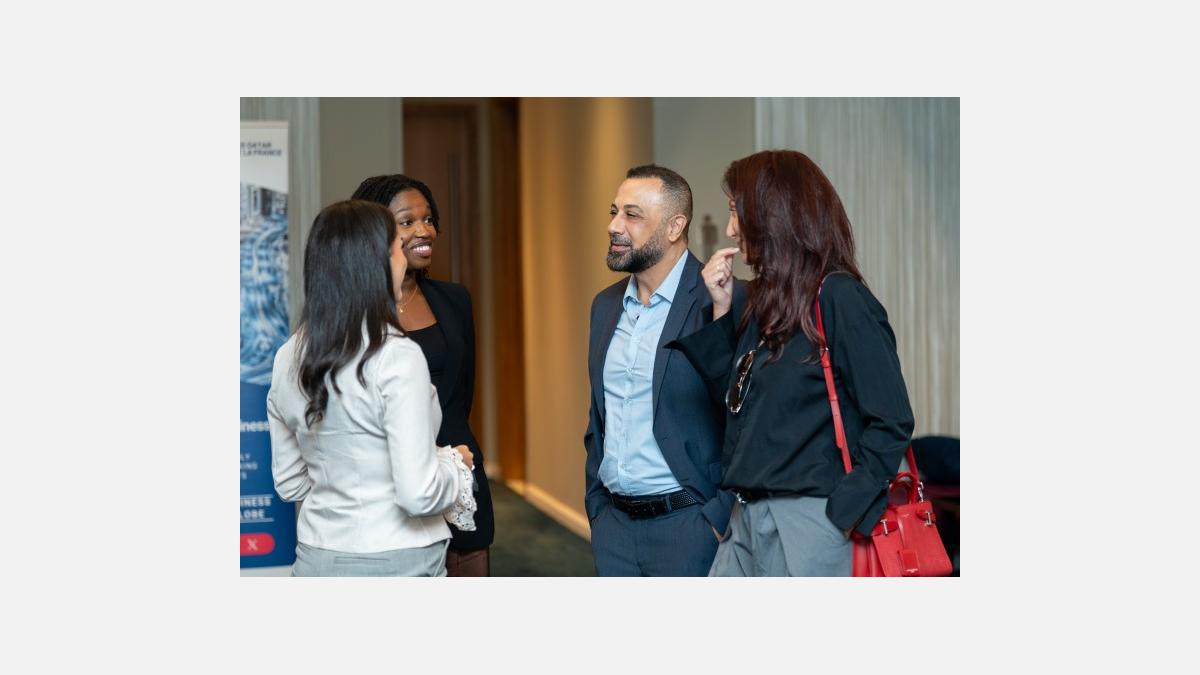
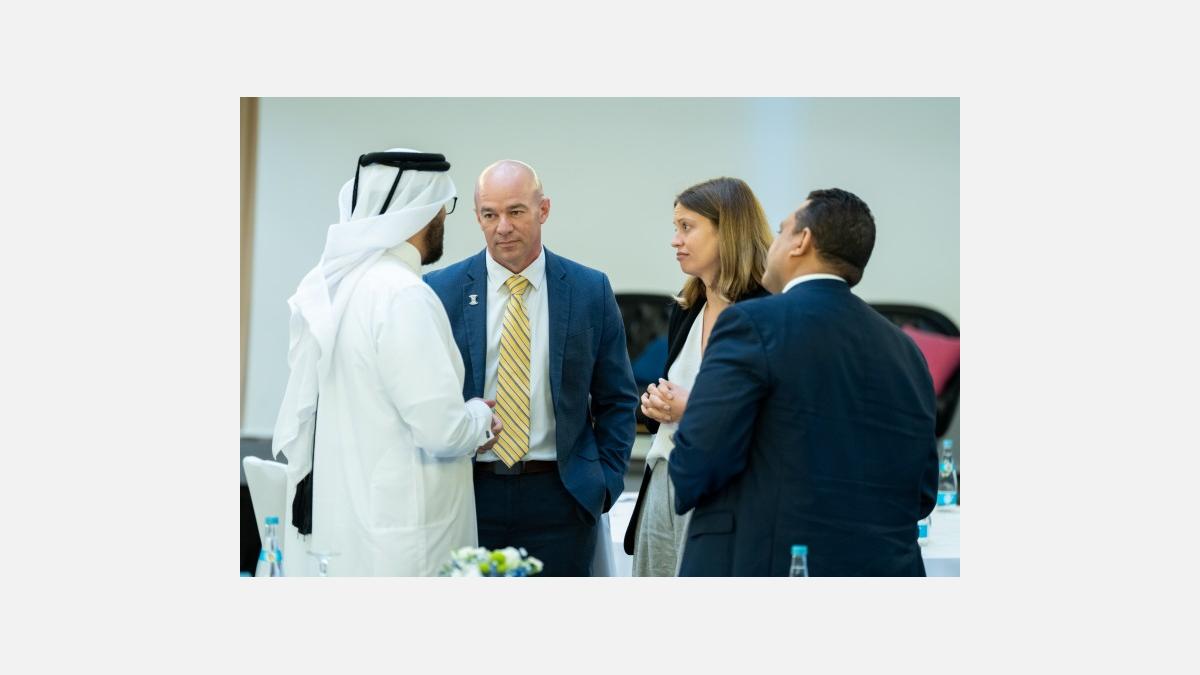
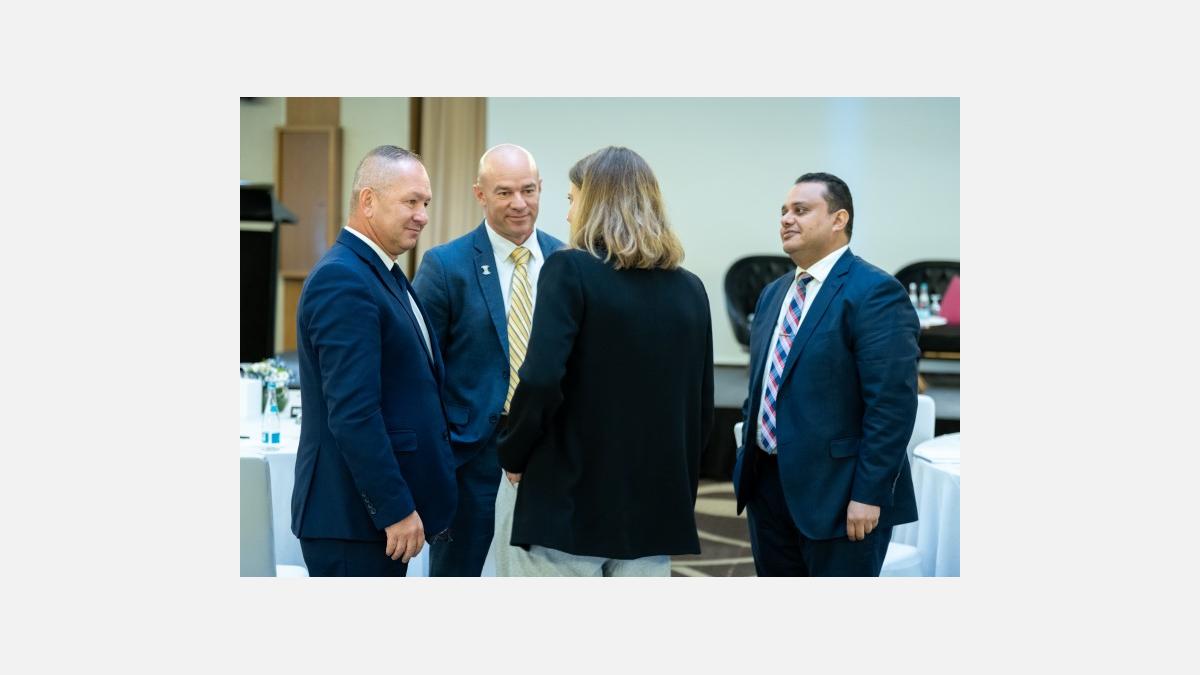
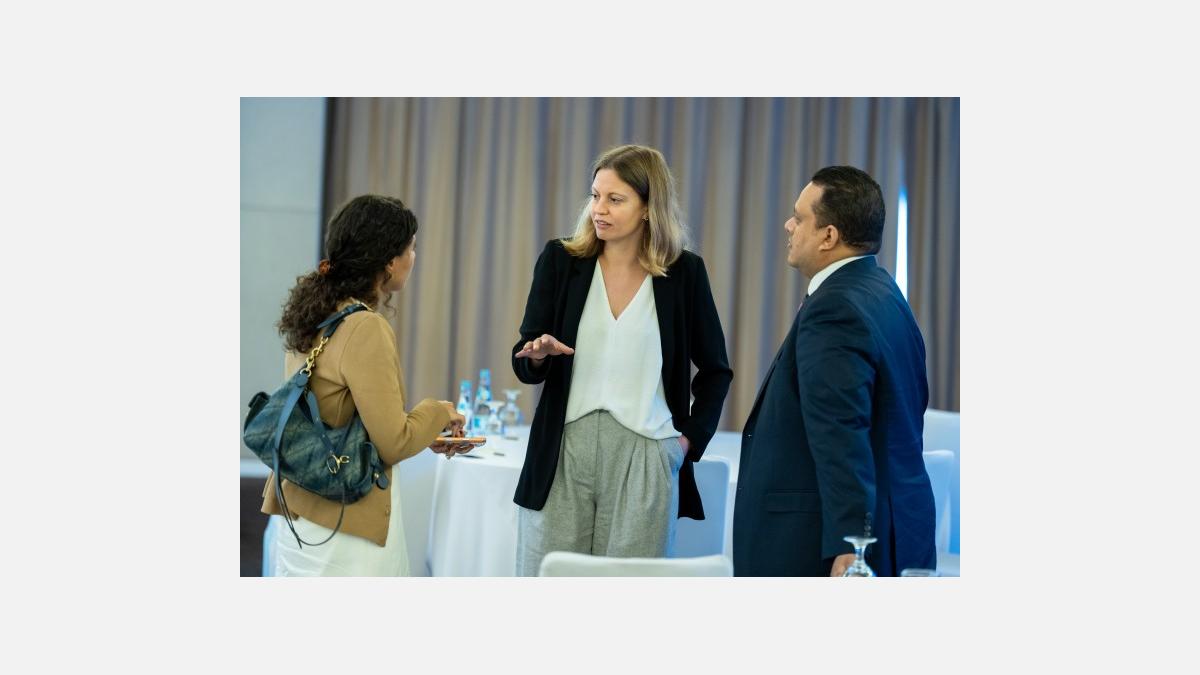
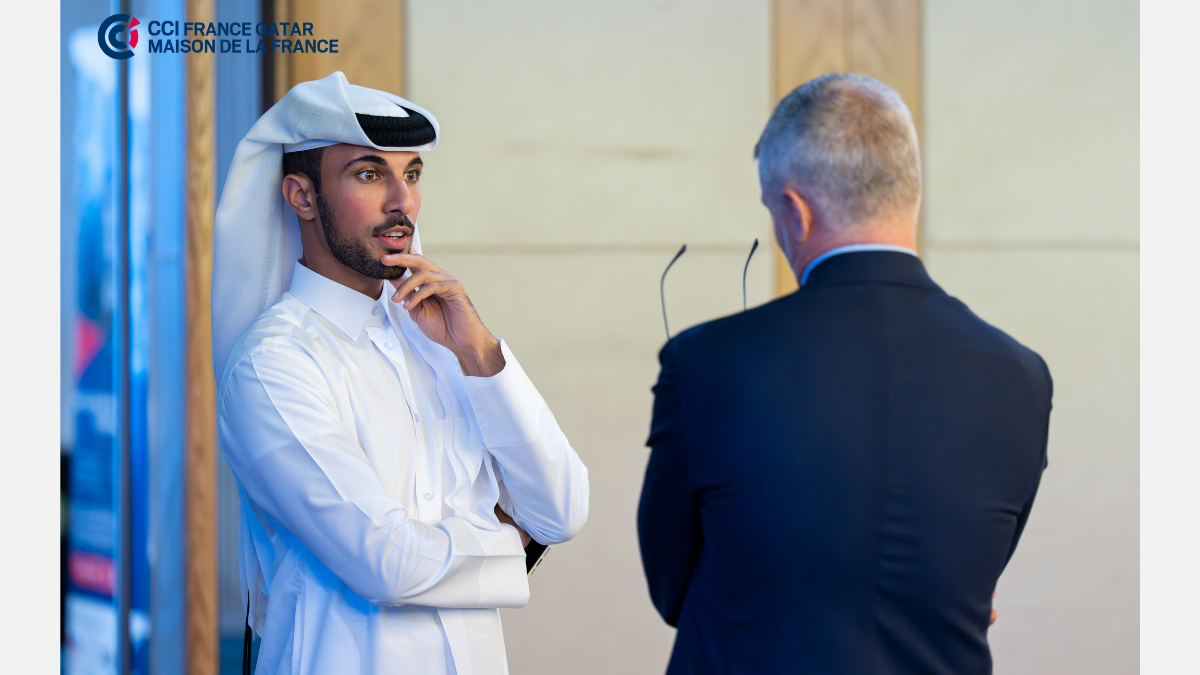
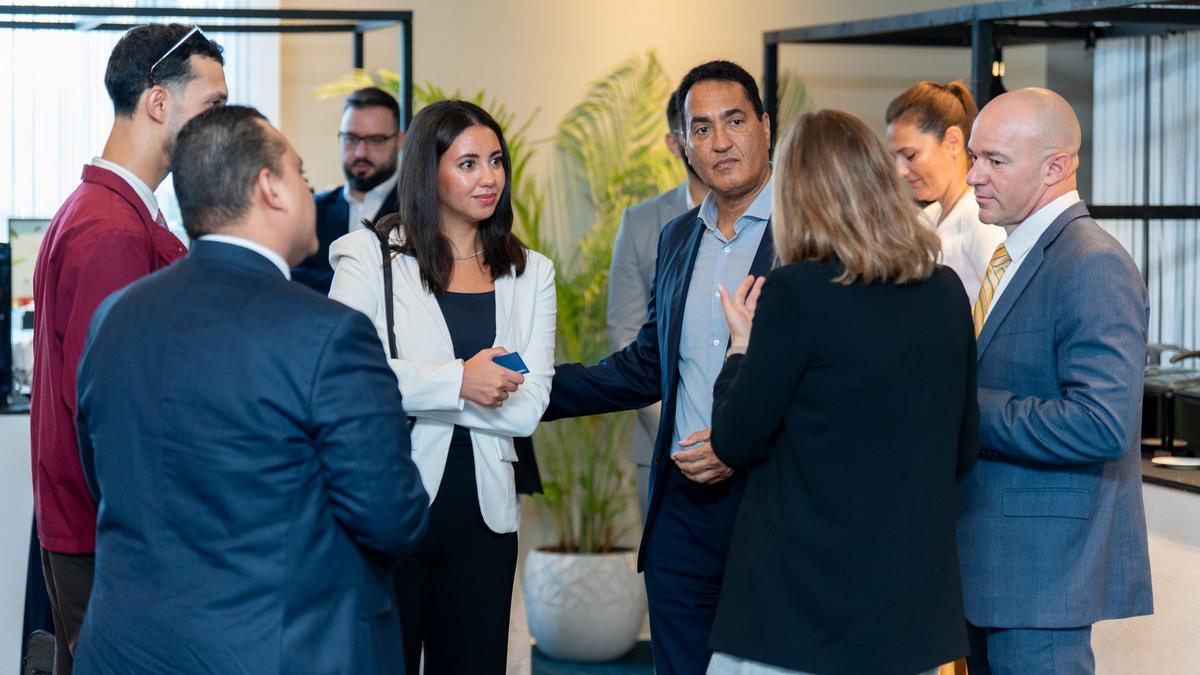
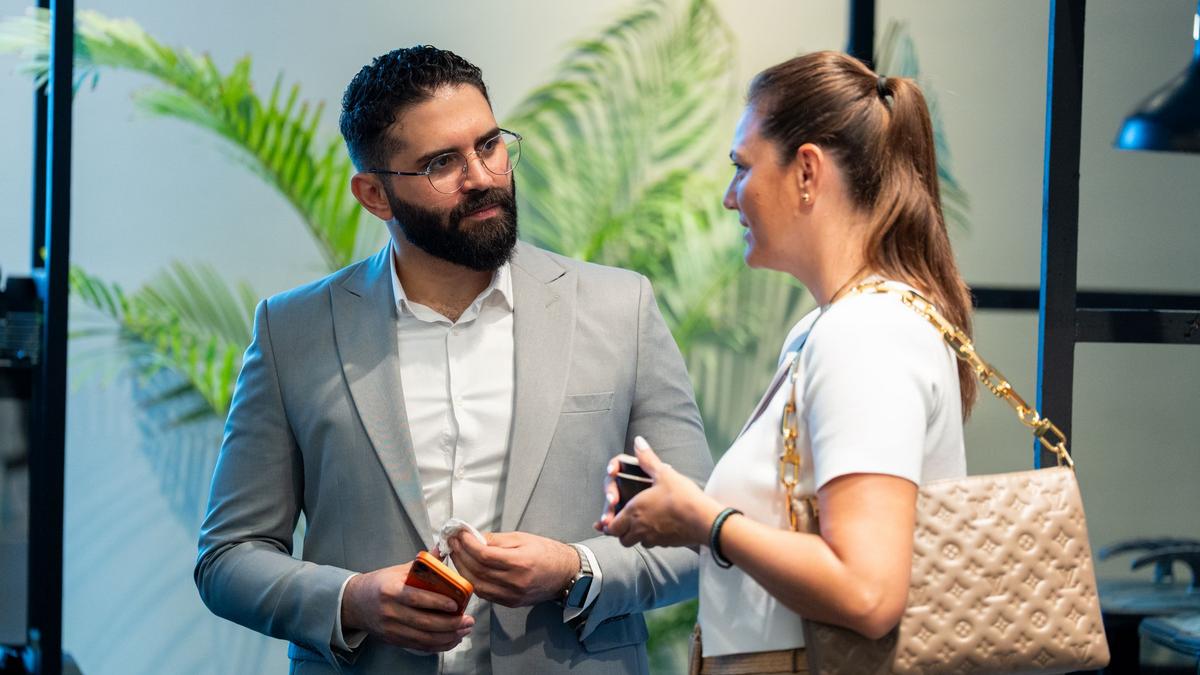
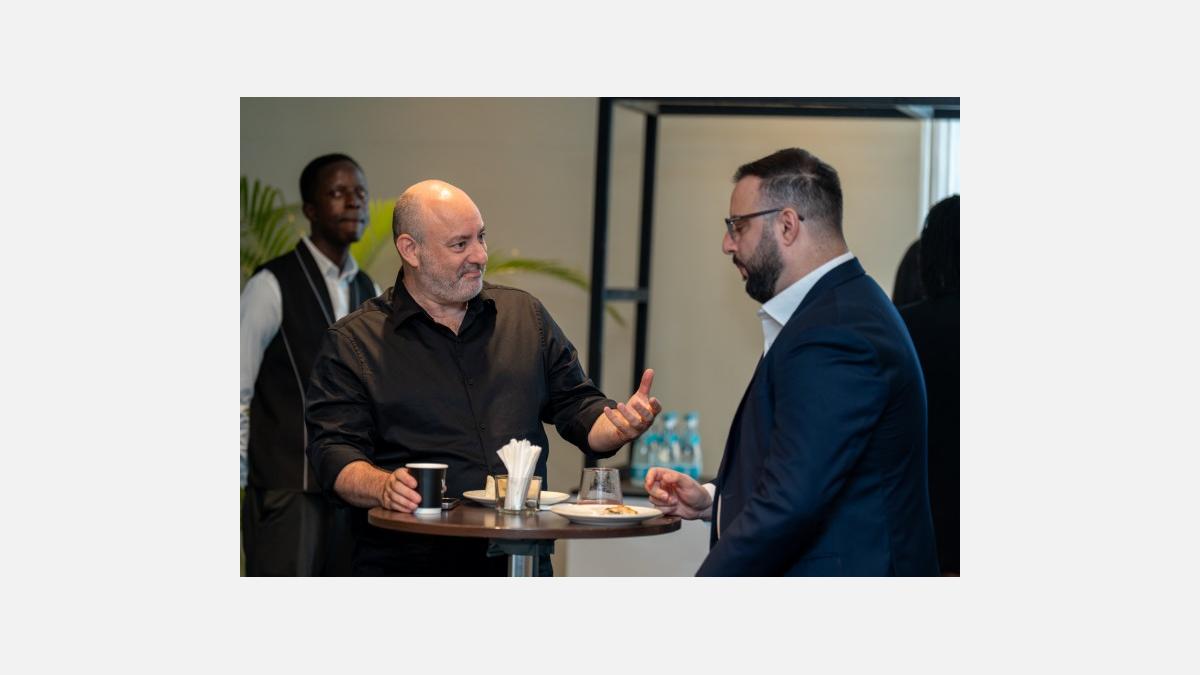
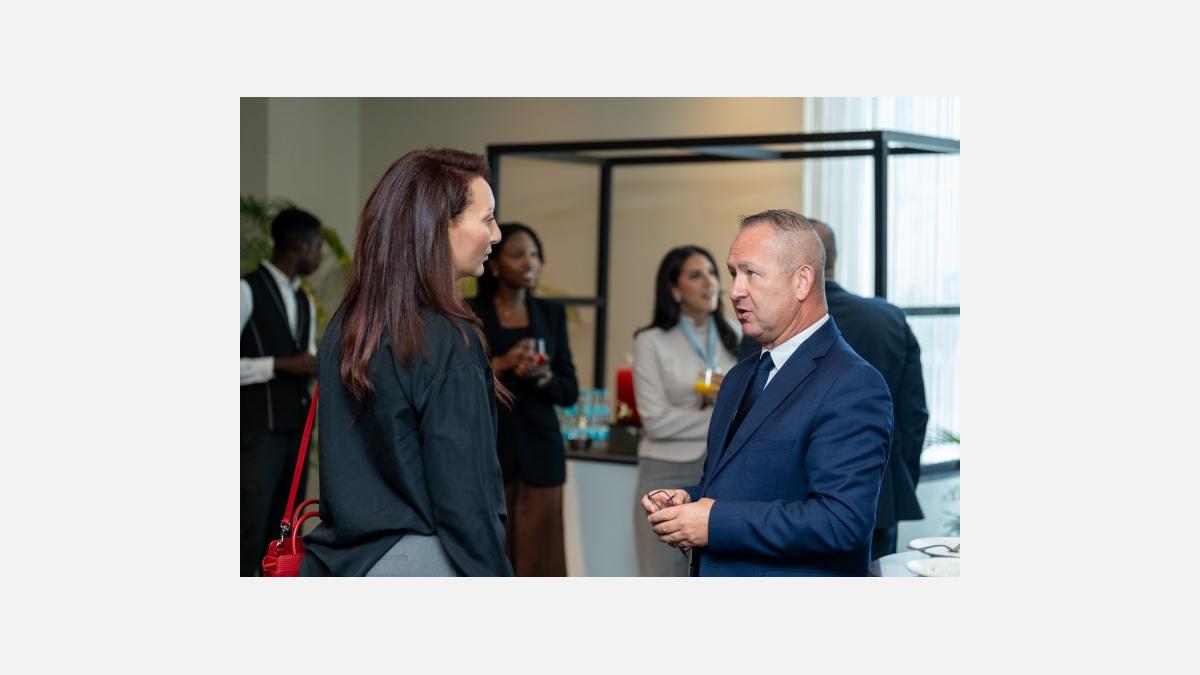
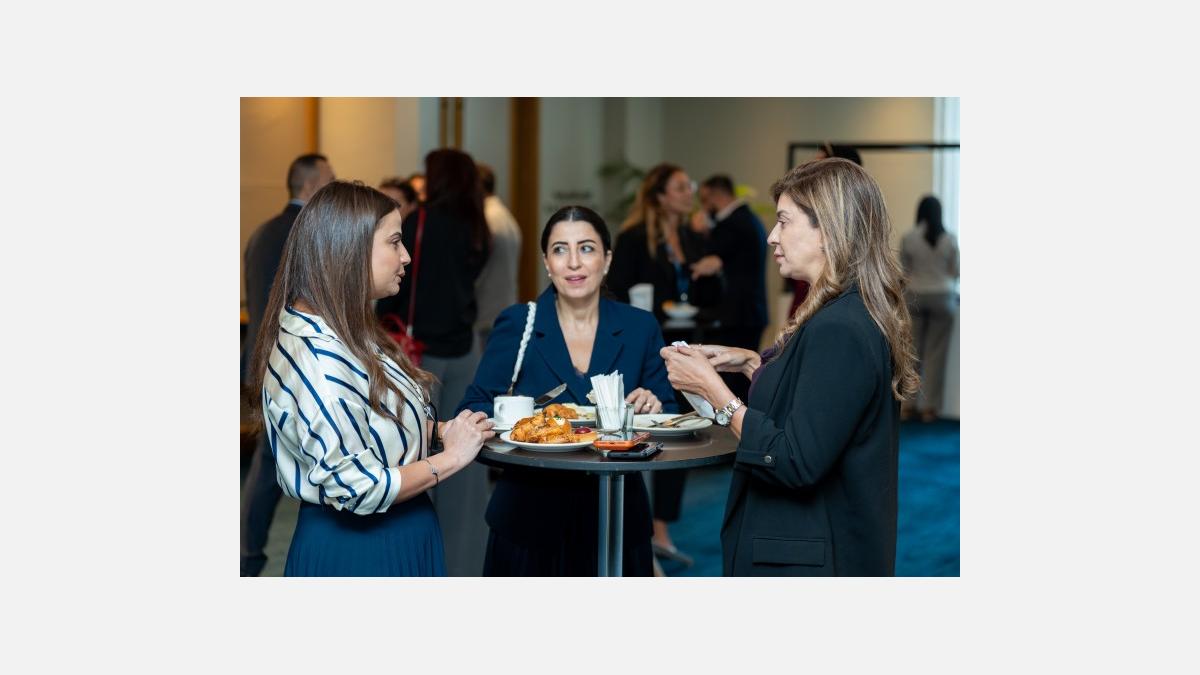
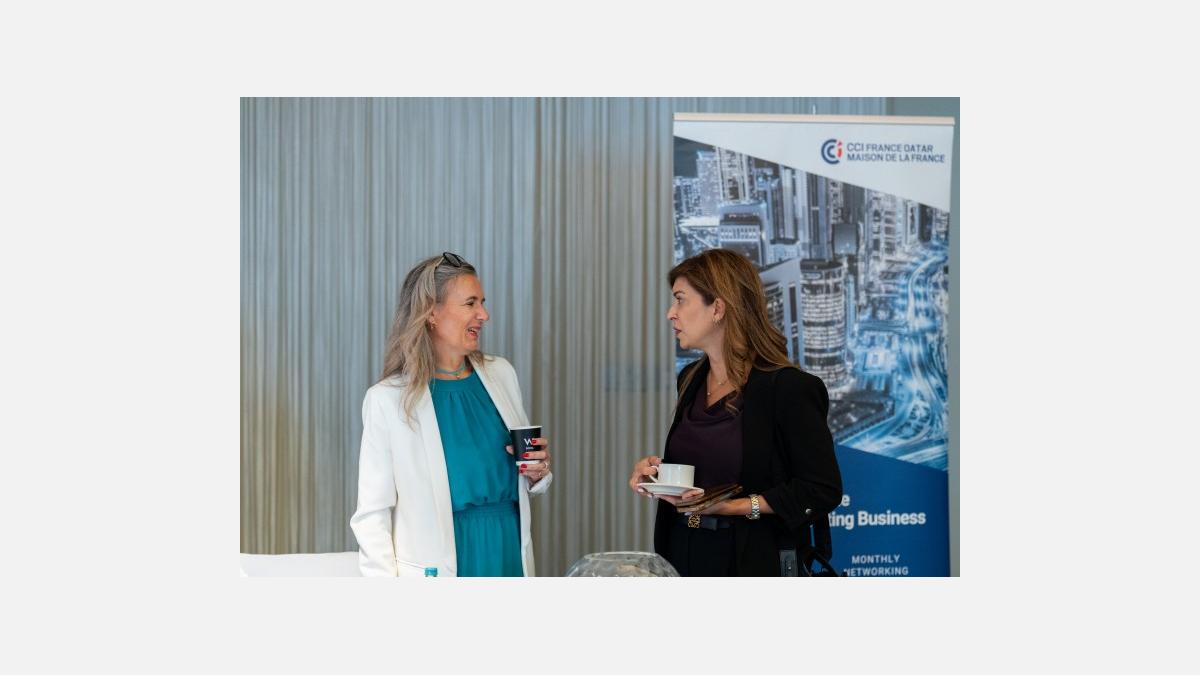
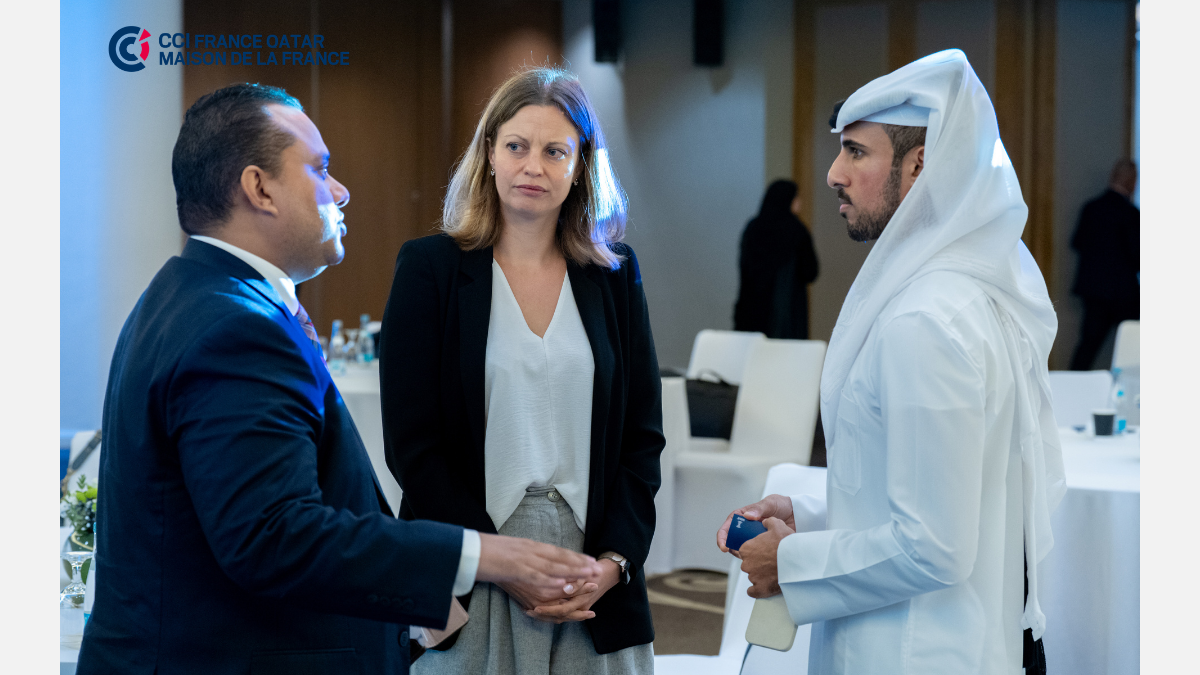
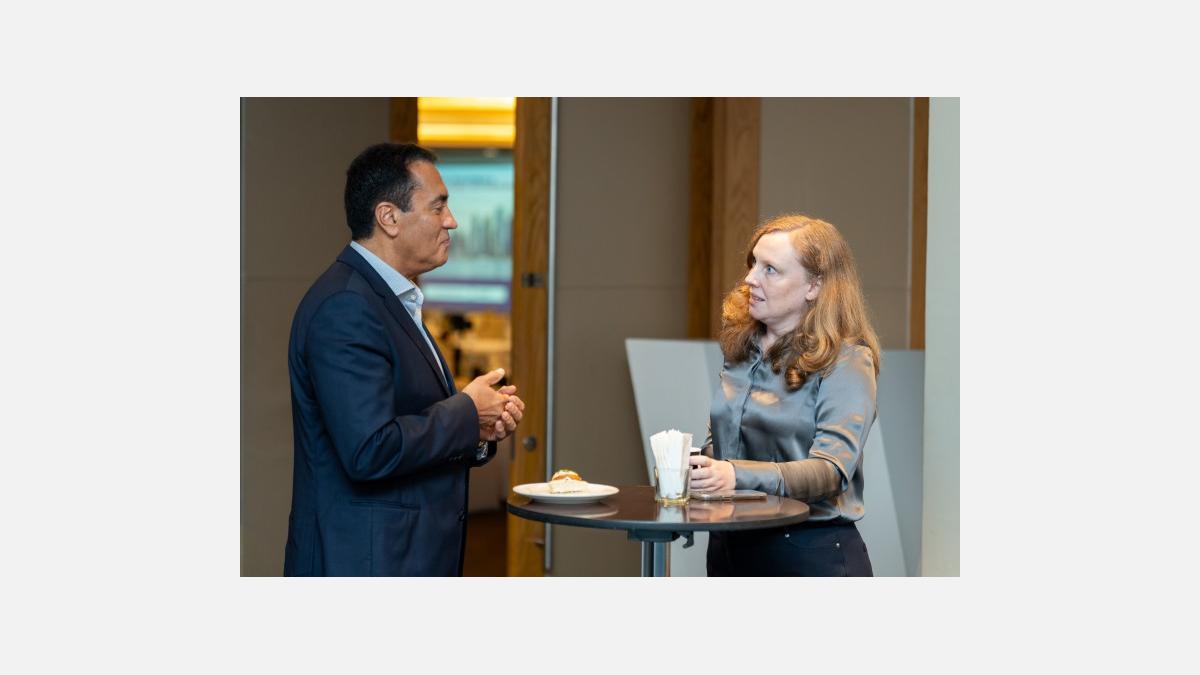
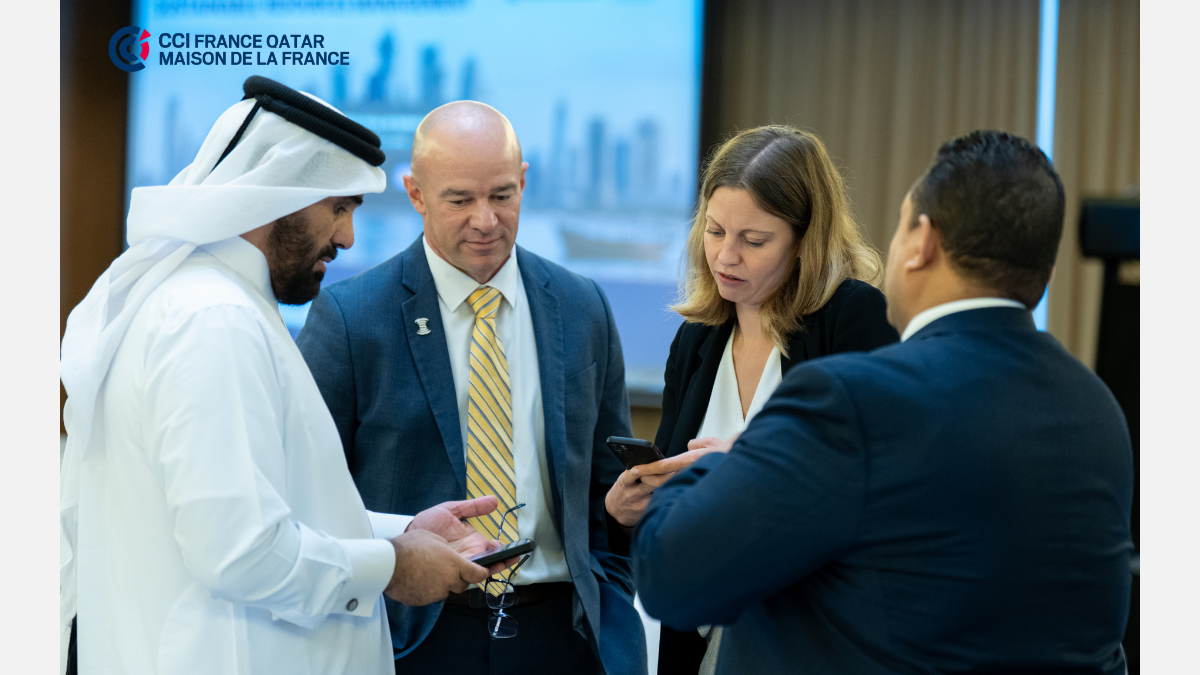
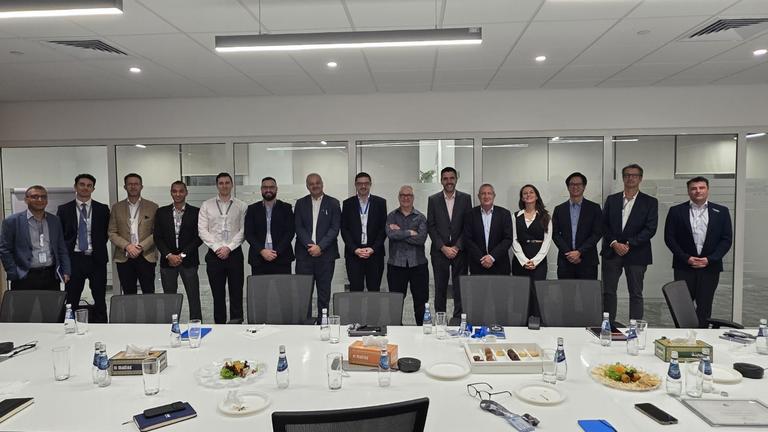
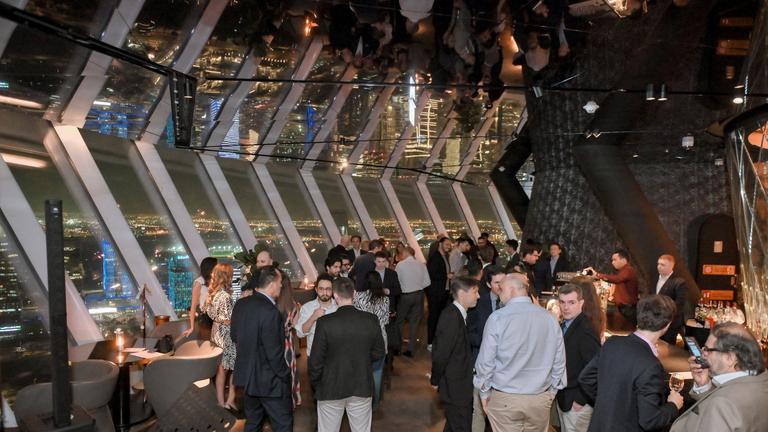
The conference closed with a networking luncheon, allowing participants to continue discussions on how French expertise can support sustainability ambitions and objectives in Qatar. The event forms part of CCI France Qatar's ongoing work, through its Sustainable City Committee, to strengthen bilateral cooperation between France and Qatar on urban innovation and environmental resilience.
About CCI France Qatar CCI France Qatar (Maison de la France), registered with the Qatar Financial Centre, promotes and strengthens economic relations between France and Qatar, supporting its member companies through networking, advocacy and sector-focused committees.